
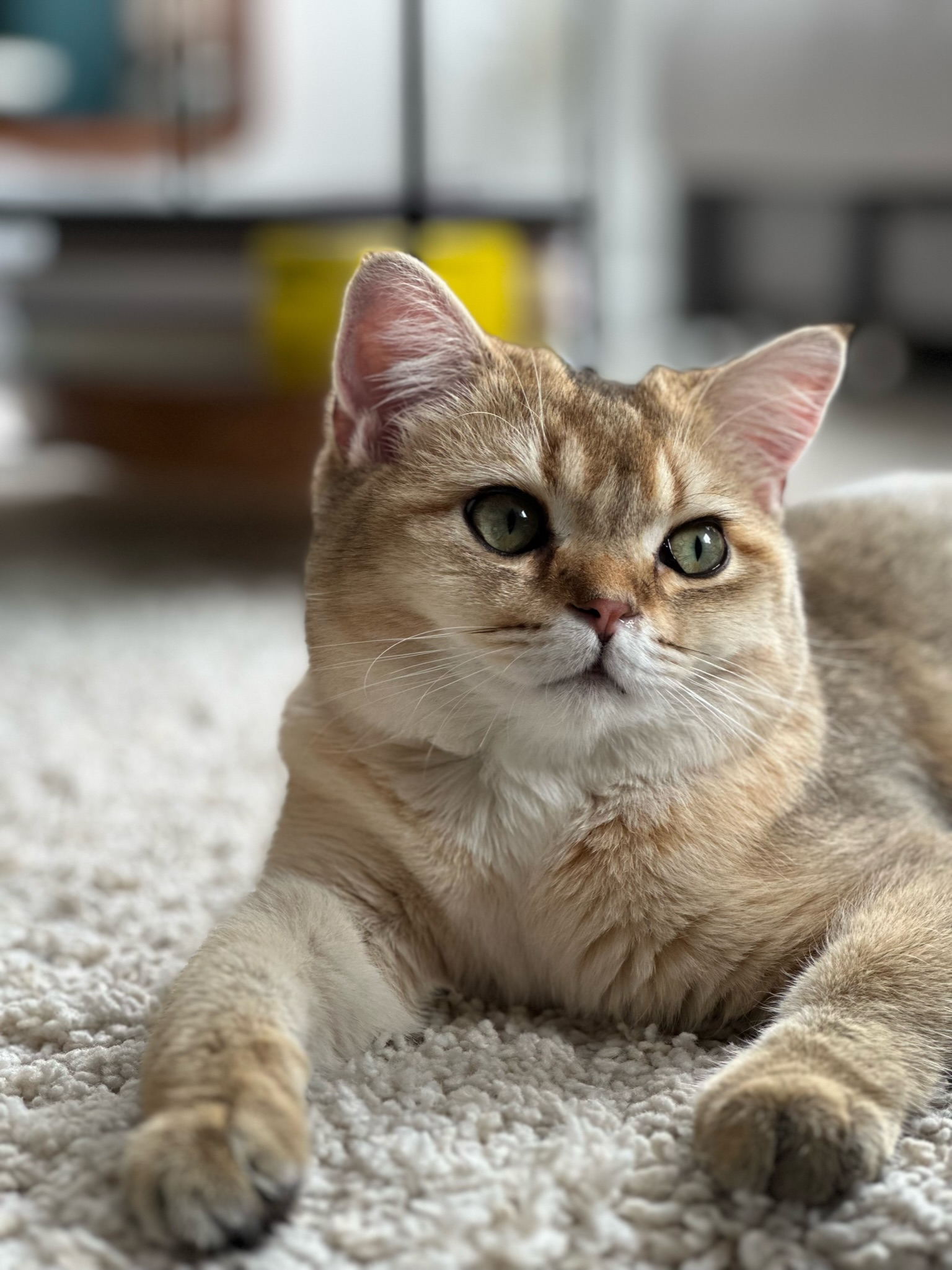
“Through the door that Isabel left ajar a Siamese cat entered and saunters over to the couch where Elena sits. It jumps onto her lap. Get out of here, who invited you to the party, she tells it, and gives it a shove. That cat doesn’t fall; it begins to talk along the back of the couch, passing behind her hunched shoulders.” – (116)
Elena Knows is centered around an elderly woman, Elena, with Parkinson’s disease. She dogmatically believes that her daughter, Rita, who was found dead hanging in the belfry of a church, couldn’t have killed herself. She knows Rita wouldn’t do that, so she sets off on daylong journey across Buenos Aires to meet an old acquaintance and try to solve the murder of her daughter.
Claudio Pineiro’s story shows parents often imbue beliefs to their children which can at times be destructive and create cycles of tragedy. Elena and Rita are both victims to this in the novel. When we are first introduced to Elena, she is an obstinate person who refuses to accept her daughter’s suicide, despite the counsel of those closest to Rita, and is living under the weight of inherited, rigid views. But near the end of the story, when Elena meets Isabel Mansilla, she finally understands it was her and her “fucking whore illness” that drove Rita to commit suicide. By admitting this, Elena breaks free from one of the passed-down beliefs in her life, which Pineiro beautifully illustrates with a newly formed bond between Elena and a cat. With this simple relationship, Pineiro’s story ends on an incredibly hopeful note, as she makes clear that no matter who you are, there is still time to put aside ingrained, destructive views and change for the better.

Rain and What We’re Taught as a Child
Elena’s unyielding view that her daughter didn’t kill herself is based on a simple fact.
“Rita was found hanging from the church belfry. Dead. On a rainy afternoon. That, the rain, Elena knows, is an important detail. Even though everyone says it was suicide.
Rita had been afraid of lightning, ever since she was a little girl, and she knew that the cross on top of the church attracted it. It’s the town lightning rod, her father had taught her without knowing that this passing comment would keep her from going anywhere near the place in stormy weather.” – (25)
This is the first destructive belief passed through the family that we see in the book. Rita’s father made a comment about how churchs can be dangerous when it storms, Rita, influenced by the comment, refuses to go to a church when it rains and in turn, Elena rigidly believes that Elena could not have killed herself because she was found dead at church on a rainy afternoon. A cycle of stubborness is created.
We all inevitably are influenced by views from our parents. Some of those inherited beliefs can be destructive – we are imperfect beings after all (one of my favorite essays). One of my mom’s mantras can be distilled to: working hard and being successful in your career, either monetarily or through prestige, makes you a more respectable person. That belief likely played a big part in me taking my current career path. Putting up with terrible work hours from 2021 until the middle of 2022 not only felt necessary but sometimes even good. My thinking was that canceling a date or being late to dinners with friends is okay because this deal I’m working on is incredibly important. And if we buy this new company, then my midyear review will be great and maybe my bonuses will be bigger. And that makes me more respectable, right?
Pineiro makes clear Elena’s belief that Rita couldn’t have killed herself because it was raining that day is a destructive, rigid viewpoint that is preventing her from the seeing the truth everyone else can so clearly see.
When talking to the priest, Father Juan:
“That day holds no mysteries other than Rita’s reasons for doing what she did, the reasons she took with her to the grave, Elena. It was raining that day, Father, and Rita never came near the church on rainy days, you never noticed all those years? No, I never noticed, why wouldn’t she come? Because she was terrified of being struck by lightning.” – (52)
When talking to Inspector Avellaneda:
“The thing is that as far as the police and the courts are concerned there’s no doubt that it was a suicide, ma’am. But it was raining, Inspector, she responded, and Avellaneda had nothing to say about the fact that it was raining because for him and his people that was of zero importance.” – (67)
And finally, when talking to Isabel Mansilla:
“They say she killed herself, but I know she didn’t, Elena says. How do you know?, Isabel asks. Because I’m her mother, it was raining that day and my daughter never went near the church on rainy days, don’t you see? But Isabel isn’t sure if she does see what the woman is trying to say, so she just stares at her.” – (119)
By the end, it becomes obvious to the reader that Elena is holding onto this fact because she cannot face the idea that her daughter killed herself. Her repetitive statement about the rain contrasted against three separate reactions from other people make clear that this crime story actually has no murder to be solved. Elena is being heldback by this rigid belief.
When I was younger, like all other kids, I really wanted a dog or cat. My dad said we couldn’t get a dog because it was against Islamic belief. Owning a dog is considered forbidden by Islamic law (“Haram”) because they’re dirty animals. My parents made a similar claim about owning cats, which I now understand to be not true. When I would go to a friend’s house that had a pet, it would always be a weird experience. I didn’t know how to interact with dogs or cats. I would attribute any bad smell in the house to come from the family’s dog. One time, I tried to pick up a family cat and he immediately scratched me on the face. While I was at first envious of others with pets, I started to internalize what my parents had said. At a certain point, I also believed that dogs were dirty and cats were moody and pretentious.
Enter the Cat
At the end of Elena’s journey, she meets a cat in the living room of Isabel Mansilla’s house.
“You’re better off dead than with me, she tells it, and the cat seems to understand but it persists, it meows, it rubs against her hands again, but Elena still refuses because she hasn’t touched a cat since before she was married, her husband never let Rita have one, not even when he found the kitten she had hidden in a box under her bed, secretly feeding it milk.
No, Rita, cats are filthy animals, they lick up their own vomit and they lick themselves. It’s tiny, Dad, it doesn’t know how to lick. In a little while it’s going to grow to be just as disgusting as any other cat. I like cats, Dad. But then he told her about mange, and eczema, and fungal infections, and illnesses that causes babies to be born blind or mentally defective, and again about the vomit they lick up and how they lick themselves until Rita said, Enough, Dad, and she decided she didn’t like cat anymore.” – (116)
It’s only fitting in this story about mother-daughter relationships, birth and motherhood that Rita’s love for cats was destroyed by her father’s dogmatic belief where he uses the threat of defective birth and motherhood to make Rita get rid of kitten. In this interaction, Pineiro’s choice to present dialogue without quotations or ascribing it to a specific character makes more sense. It becomes impossible to tell who’s saying what – just like how we take and receive beliefs from our parents in way that makes it impossible to tell where it came from. And so the cycle continues,
“Eventually Rita herself was the one who said cats were filthy because they lick up their own vomit and they lick themselves with the same tongue. Elena doesn’t know if she stopped liking cats when Rita did, or if she never liked them, or if she actually does like them. All she knows is that they never had cats in the house because her husband wouldn’t allow it, and Rita inherited his right to ban them, and Elena hasn’t touched one since.” – (117)
Pineiro is explicit that the dislike Rita feels for cats is “inherited.” The cycle mirrors the earlier example of the rain. Rita’s father says something that influences his daughter, which in turn leads Elena to behave a certain way.
But we don’t always need to continue the cycle. I didn’t think I was ever going to own a pet. Especially in New York. In my 20’s. When my job is as demanding as it is, where would I / we ever find the time to take care of an animal? It would be probably just be a distraction from work, and I couldn’t afford distractions. I’m trying to get promoted to at the end of the year, and this big buyside deal is going on right now, etc.
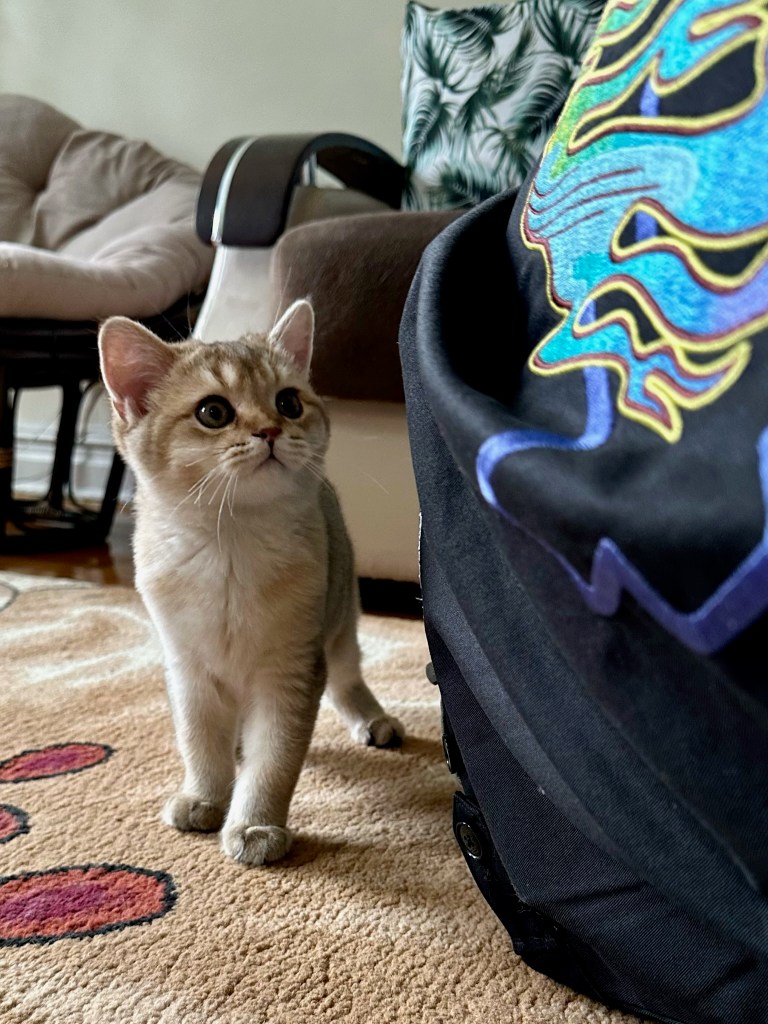
But then I met Prince Zuko. He obviously wasn’t called that when we first met him. But I remember going all the way to Little Russia, out in deep Brooklyn, to meet a cat breeder with Jojo and Ethan. I was on the fence on getting a cat for all the reasons mentioned about, but Ethan had just gotten a cat and Jojo wanted one. Once I finally met Zuko, I realized that my inherited belief was silly. I was stupid for thinking that cats were smelly, moody or pretentious. He was just a small kitten that wanted to play with us. And it’s not just me that feels this way.
“She’s going to end up petting it. She’s going to give in to it, so that it stops pestering her, so that it will leave her alone. She rubs her right hand, the one that works better, on the animal’s head and the animal writes with pleasure. You like that, she says, and she thinks that she might like it too.” – (117)
But these cycles are hard to break out of.
“If she could. If her husband’s and her daughter’s words didn’t leap to mind, saying cats are filthy, if she was deaf like her feet, she could maybe enjoy petting this animal, the tickle of its fur. If she could, if she let herself, but she doesn’t. Cats are filthy, they lick up their own vomit, her dead husband says to her dead daughter and her dead daughter repeats it to her, and she listens, as if they were there, her dead family speaks to her, scolds her, gets angry with her, and Elena pushes the cat away so she doesn’t have to listen to them anymore.” – (117)
Pineiro strips away any veneer that was still remaining. It’s clear in this moment that Elena’s husband and Rita have created such a profound affect on her. “Her dead husband says to her dead daughter and her dead daughter repeats it to her, and she listens, as if they were there, her dead family speaks to her, scolds her, gets angry with her.” The language here becomes circular, with multiple repeated words – “her”, “daughter” and “dead.”
What I love about Zuko, or really any cat, is that you can have had the hardest day at work – there was a bust in your excel model or your VP was being an ass or you’re getting home at 2am with more stuff to be done – and your cat will be there to greet you as if nothing else matters. He’ll want you to pet him and chase him around, and there’s something I really love about that. All of those expectations and work pressures that I’ve put on myself, which is a destructive, inherited belief, end up melting away when I’m with him.
And something similar happens with Elena.
“But the cat doesn’t go away, it’s not enough for her to move her hand and say, Go away, kitty, go away. The animal glances at her and then jumps back up. It can’t hear the voices that speak to Elena, and it’s not scared of them. The cat feels warm curled up in her lap and he falls asleep and now that she doesn’t feel guilty, since she tried to listen to her daughter and her husband, in spite of herself, or maybe not, she lets it lie there.” – (118)
That’s the beautiful thing about cats. They’re intelligent, thoughtful creatures. But they “can’t hear the voices that speak” to us. Elena letting the cat lie there finally helps her start to break out of this inherited, destructive beliefs. Despite the rain, that “important detail,” she finally comes to accept that her daughter killed herself because Elena’s Parkinson’s disease was going to worsening.
Acceptance and Changing for the Better
“It was raining, she says. Even so, the woman answers. My daughter went even though it was raining. Your daughter went because it was raining and because there was something that scared her more than the rain. Me, Elena says.” – (142)
It is only right that Elena finally acknowledges there could’ve been something that drove Rita to the church that day, despite the rain. This elderly woman who is introduced as a resilient, but stubborn and close-minded person, by the end of the novel, is finally able to break out of her dogmatic belief and ultimately find solace. There is no mystery to be solved for why her daughter died. To everyone else it was clear. Elena’s final acknolwedgement of this is juxtaposed with her new friendship with Isabel’s cat and it is a devasting, beautiful and hopeful passage for the book to end on.
“Isabel picks up the cat and puts it on her lap, Elena accepts it, she pets the cat and he curls up. Do you like cats? I don’t know, Elena answers. Well, we know the cat likes you, the woman says. Elena smiles and cries at the same time. He seems to like me, yes. What are you going to do now?, Isabel asks, and Elena would like to have an answer, would like to say she’s going to wait and then get up and leave, but so many words flood her head at the same time that they become tangled, overlapping, crashing into each other, and lose their way or disntegrate before Elenea can pronounce them, so she doesn’t say anything, she doesn’t respond, because she doesn’t know.” – (143)
In my mind, this is where Elena truly steps out of the destructive cycle. The cycle that made her obstinate, refuse to accept her daugther’s suicide and dismiss help from the people in the community. The destructive cycle that ultimately led Rita to kill herself. In this moment, finally, these dogmatic, inherited beliefs start to wash away. They become “tangled, overlapping, crashing into each other, and lose their way or disintegrate.”
With the simple acceptance of the cat, Elena starts to accept that some of her preconcieved beliefs and inherited ideas may not be right. And it is these stories that I always find to be the most moving and beautiful. If you’ve read my essay on Infinite Jest, you’ll know the true beauty I find in the book is the idea that everyone, no matter how drug addicted and unclean (Don Gately in Infinite Jest) or old and have had everything taken away from them (Elena in Elena Knows), we all have the capacity to change and break through the cycles of destruction passed down from our families. And to do that, sometimes, it’s just as simple as picking up a cat.
“Because now she knows, she doesn’t say anything, she doesn’t respond, she just pets that cat” – (143)

 Coc0na's Pure Illusion