

As we near the end of the year, I thought it might be nice to rank some of the media I’ve read and watched this year. The idea here is to just rank every book, tv show, anime, manga and movie that I’ve seen this year. It doesn’t have to be something that was released in 2023. I wanted to make this an amalgamation of every type of media. I think it’s more interesting to compare different things and rank the experiences in way that makes sense (at least in my head). Separately, just because something is ranked 11, it doesn’t mean I didn’t like it. Everything 1 – 13 is really good and worth a read / watch. This is my first year of doing this, and I hope to keep this going! It serves as a good way for me to reflect on the year.
Tier One: A Masterpiece (9.5 – 10 / 10)
1. Slam Dunk (Manga)
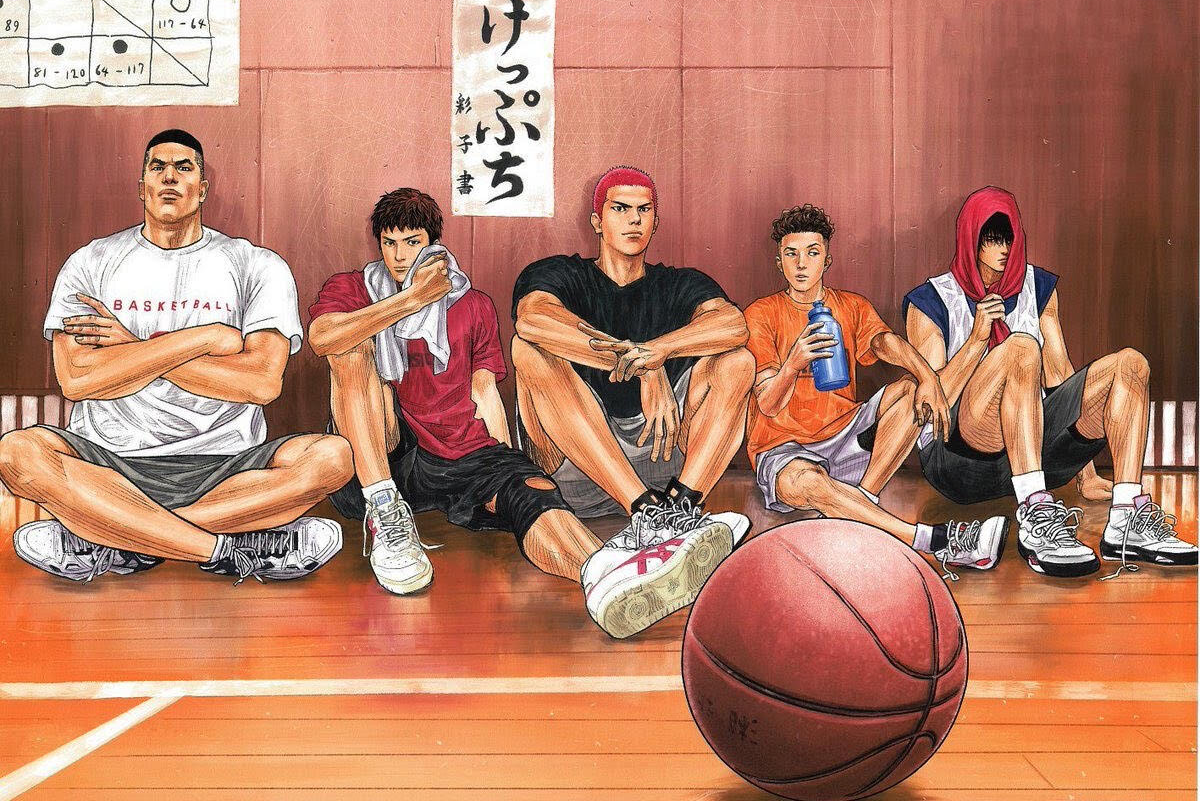
2023 was the year that I discovered Takehiko Inoue. It’s surprising that after 20+ years of watching and reading anime and manga, I finally found Inoue. It’s not like Slam Dunk is an obscure work. It’s incredibly popular and helped bring basketball and streetwear aesthetics to Japan in the 90’s.
The premise of the series is that Hanamichi Sakuragi is a delinquent freshman in high school. He has bright red hair and is the leader of a gang. He then meets a girl named Haruko Akagi. She notices that Sakuragi is tall and athletic. Her older brother is on the high school basketball team and she loves the sport, so she suggests that he join the team. Sakuragi starts out as an overly confident prospect who thinks he’s better than he really is and only agrees to get into the sport because of his crush on her. The story quickly shifts to building up the High School basketball team: (1) the second-year, small and cocky point guard, Ryota Miyagi, (2) the delinquent senior who rejoins the basketball team and is skilled three-point shooter, Hisashi Mitsui, (3) the other freshman forward who is aloof and incredibly talented, Kaede Rukawa, and finally, (4) the team captain and center of the team, Takenori Akagi.
What I love about this series is each player has their own story and reason for playing basketball. Inoue does a great job of developing them. Not just with flashbacks but also as the series progresses. Sakuragi becomes a more serious person through each game. As Inoue starts building up his characters, he then bounces them off each other. In a loss, Akagi comforts Sakuragi, who’s crying as he thinks they lost because of him. Then, in the next game, it reverses, and Sakuragi comforts Akagi, who’s crying because he’s overwhelmed with joy after finally making it to nationals.
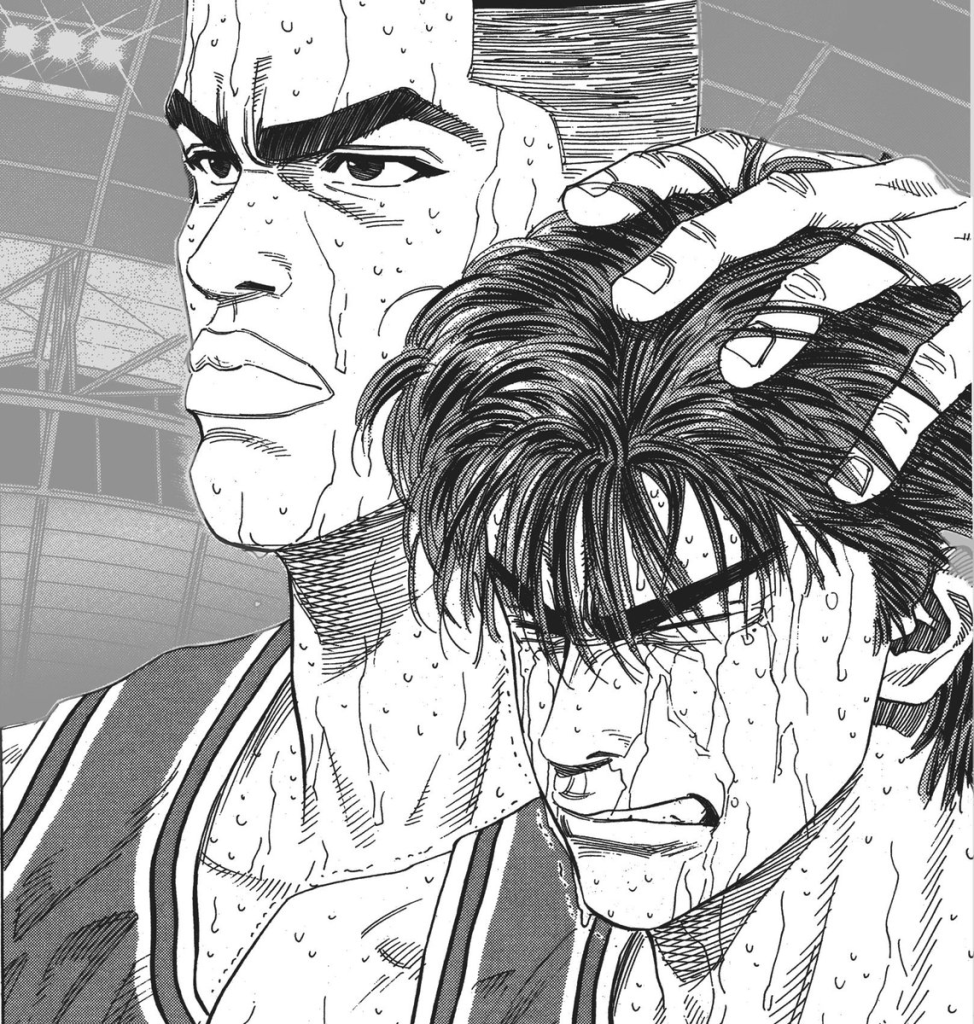
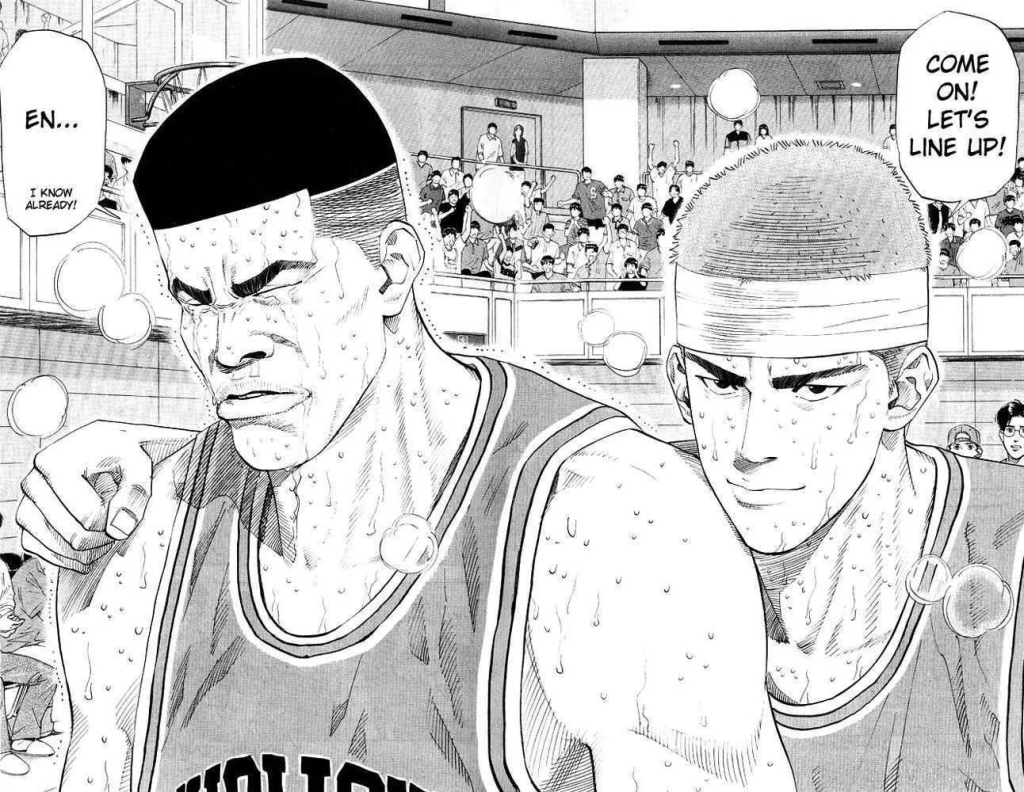
I love how Inoue uses the game of basketball to develop his characters. As someone who loves watching the NBA, I respect Inoue’s understanding of the game and ability to make it come alive in this manga. I think this is best seen during the last basketball game: Shohoku (our heroes) vs. Sannoh (the reigning champs) at nationals. This game put Slam Dunk at the top of my list for 2023. I knew we were in for a treat when one of the first plays is Mitsui sinking a three-pointer. In his head, he quickly realizes this is one of those games. He’s in the zone and can’t miss. When I watch NBA games, you quickly see some players get into this mindset in important games at big moments and seeing that feeling articulated so well in the manga stuck with me. It’s Sakuragi showing off in the first half. Putting moves on the entire Sannoh team. It’s Sannoh’s roaring response at the start of the second half, where they quickly build a 20 point lead behind Sawakita, their star and best player in Japan. And finally, Shohoku, behind Sakuragi, Mitsui and Rukawa, finding a way to scrap through and win. The entire game is incredibly well illustrated, showcasing Inoue’s unmatched ability to draw bodies in movement and use negative space to convey emotion and motion.
While the ending is not perfect (Inoue abruptly ends the series after this game), I still think the height of Slam Dunk is something that I haven’t experienced in a long time.

2. Giovanni’s Room (Book)
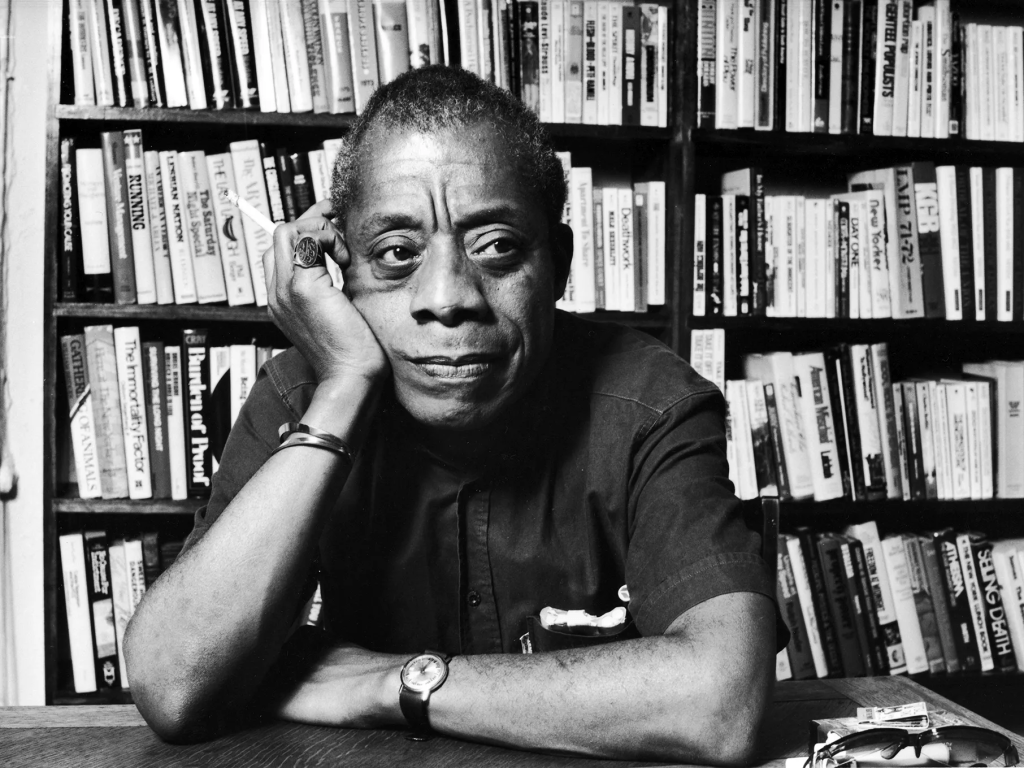
Another great author that I was introduced to in 2023 was James Baldwin. This book, Giovanni’s Room, is about an American man living in Paris. He is about to eventually meet up with his girlfriend and return to the US. The bulk of the story takes place before he meets up with his girlfriend. We follow his relationship with another man, an Italian bartender named Giovanni. They meet at a gay bar in Paris and quickly develop an intimate relationship. However, David, is never comfortable with his sexuality and the book follows his and Giovanni’s ruin. The story is filled with despair. It’s hard to describe. Baldwin paints such vivid scenes that feel so alive. It’s like they were pulled from fragments of my own memory and were waiting to be told in a completely different context. This book, while short, often made me feel like I was staring into a dark hole in which there was no return. In that hole contained all my feelings of love, repression, guilt and denial, refracted and inverted in a kaleidoscopic way. Here’s a passage that I think describes some of the raw emotions conveyed in the book:
“Giovanni turned back into the center of his room and poured himself another cognac. He drank it at a breath, then suddenly took his glass and hurled it with all his strength against the wall. It rang briefly and fell in a thousand pieces all over our bed, all over the floor. I could not move at once; then, feeling that my feet were being held back by water but also watching myself move very fast, I grabbed him by the shoulders. He began to cry. I held him. And, while I felt his anguish entering into me, like acid in his sweat, and felt that my heart would burst for him, I also wondered, with an unwilling, unbelieving contempt, why I had ever thought him strong.” – David (106)
The book is short, but there are so many passages like the one above that had me shaking. The book conveys so much confused emotion in such little time. You’re almost instantly transported into David’s head. I really recommend you read it.
3. Vagabond (Manga)
Another Takehiko Inoue series. This is an adaptation of the novel Musashi, a fictionalized account of legendary Japanese swordsman and philosopher Miyamoto Musashi’s life. The story starts in the early 1600’s, after the Battle of Sekigahara. In the aftermath of the battle, we meet Takezo Shinmen, a young man looking to make his name in the battle and become “Invincible Under the Sun.” What does it mean to be invincible under the sun? On a literal level, it suggests you are the strongest person alive. That’s how Takezo first interprets it. But what does strength mean? What happens when you become the strongest? These are questions that Inoue explores in his legendary series.
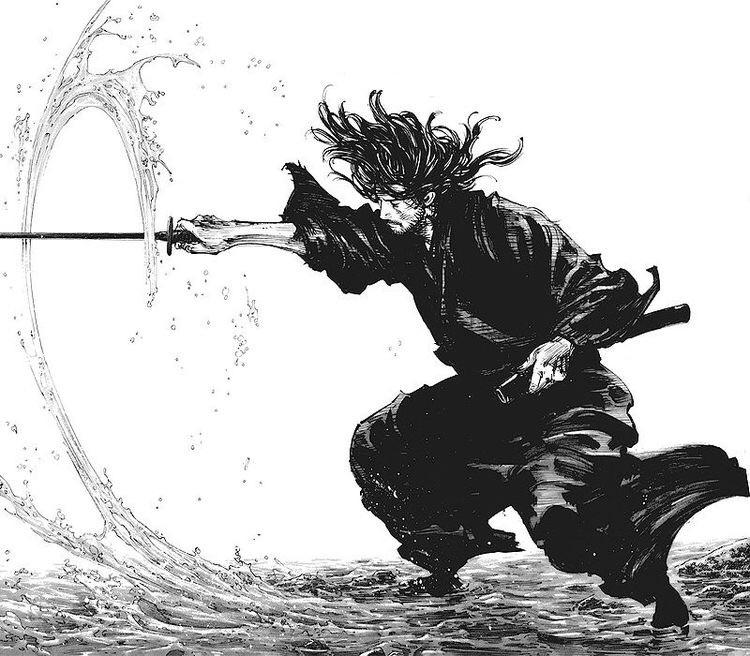
In Vagabond, Takezo Shinmen is reborn as Miyamoto Musashi. Musashi is the new name given to Takezo after being captured and subsequently released by a priest. The story follows his journey across Japan, as he goes to Kyoto to fight the Yoshioka School of Swordmanship, and then to Nara, where he challenges the monks of Hozoin School of Spearmanship.
The manga has a poetic quality to it, which I assume is because of the story’s origin as a philosophical text. For example, Musashi observes a flower cut beautifully by a legendary samurai and asks to speak to the one who sliced it. There are many other examples, but I think the relative simplicity of the narrative allows the characters, philosophy and art to shine.
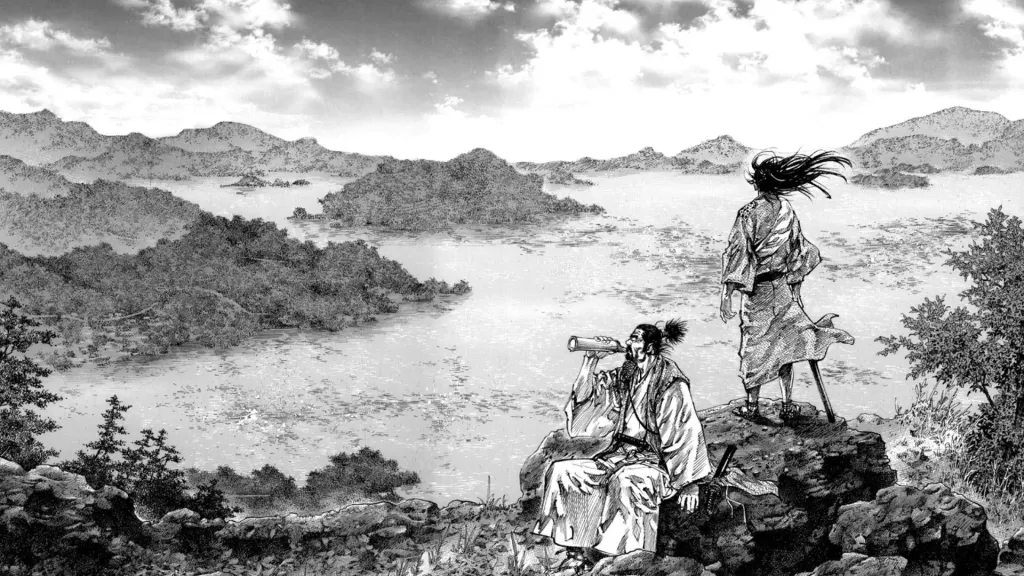
The largest strength of the series is how beautiful its drawn. Inoue uses Musashi’s journey as an opportunity to draw the beautiful scenery of Japan. The mountains and forests where Takezo grew up. The beach and oceanside where Kojiro grew up. Snow blanketing Kyoto in the winter. A lone samurai fighting on the desolate mountain edge. And it doesn’t stop there. Inoue experiments with heavy brushstrokes to convey movement, blood and emotion. He mixes beautifully drawn sceneries with graceful body movement in battle and experimental brushstrokes.
So why is it lower than Slam Dunk? It’s just that feeling I got reading Shohoku vs. Sannoh in Slam Dunk that was never reached in Vagabond. All in all, this is a beautiful series that is close to perfect. Highly recommend.
4. Spiderman: Across the Spider-Verse (Movie)
Ayy, ayy
Ooh, ooh, ooh, ooh
Needless to say, I keep her in check
The first movie or TV show on the list! I loved Spider-Man: Into the Spider-Verse, so I came into this sequel with high expectations. Despite the sequel really being only one-half of a story, I was still blown away. Animated movies have trended a certain way. Pixar has taken an approach that says the more realistic and detailed the animation is, the better. Other studios have fallen in-line with that trend. The First Spider-Verse movie was such a breath of fresh air because they said fuck that. They pushed the medium in a whole new direction. In the end, this is a comic book, so maybe let’s give thing a comic-like feel? And how about we mix in some different styles while we’re at it? And instead of the generic Marvel music, why don’t we use music people actually like to listen to?
The second movie takes this spirit and cranks it up to 11. Hopping into different universes, we’re quickly introduced to many different art styles. There’s Prav’s universe, which is set in Mumbattan, a amalgamation (second time I’ve used that word in this essay) of Mumbai and Manhattan, Gwen’s universe with its strong pink hues and Spider-Punk’s universe even has a cut-out comic quality to it.
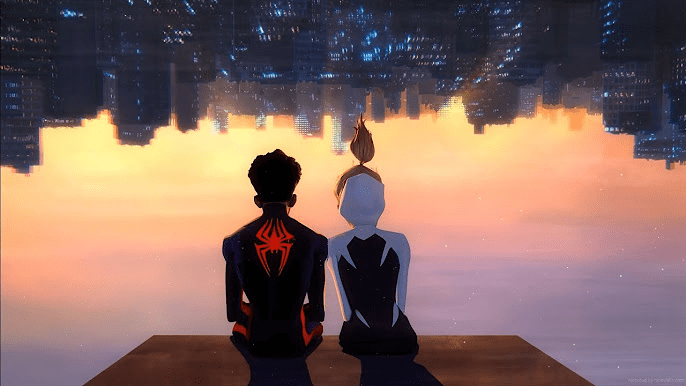
Beyond the art styles that rotate a mile a minute, the story and characters are solid. One scene I wanted to highlight is when Gwen first comes back to Mile’s universe. He’s feeling detached from everyone else and her coming back is such a hopeful moment. They’re quickly jumping around the city, catching up and talking about family life. Then, Miles takes Gwen to his favorite spot in Brooklyn. They reach this clock tower and sit under the ceiling of the building, quickly inverting their view of the city. As music plays in the background, a great song called Another Dimension starts quietly playing and they talk about how its hard for people to understand them. They live a life no one else can really understand. They’re obviously talking about being Spider-Man, but the conversation hits a universal theme we all experience as teenagers. That feeling of not being able to relate to others, especially our parents. The fact that they convey this feeling by having Miles and Gwen view the city in a view that no one else can see, heightening their isolated perspective… *chef’s kiss*
Easily my favorite movie of the year. I’m excited to see where the final movie takes us, but I have complete faith they’ll stick the landing.
And you’ll be left in the dust
Unless I stuck by ya
You’re the sunflower
You’re the sunflower
5. The Bear: Seasons 1 & 2 (TV Show)
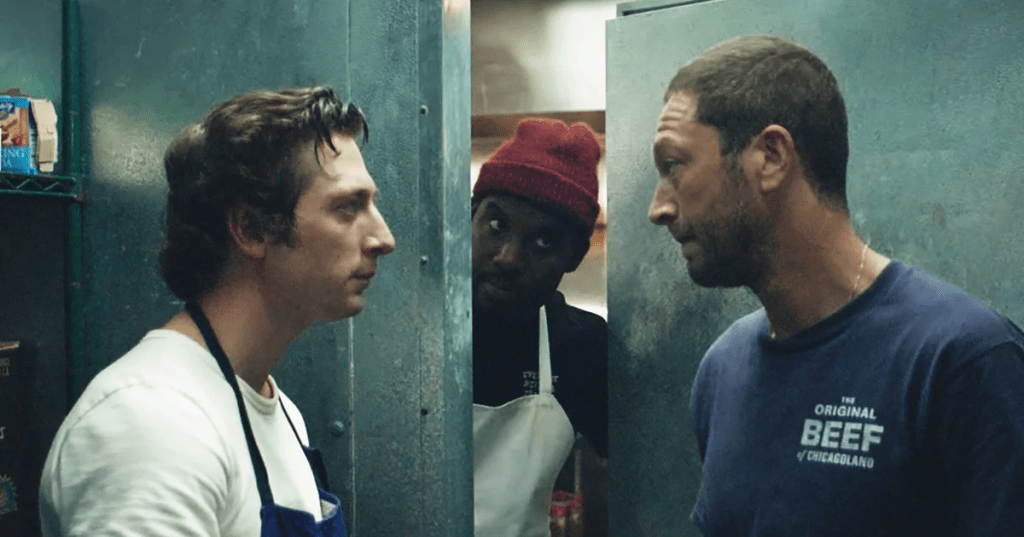
This is the best American live-action television show I’ve seen in a long time. I watched both seasons in one go, so I thought it made sense to include it as a pair. I love that each episode is only 30 minutes long (not like the one-hour HBO shows that make me want to check reddit by minute 40). But most of all, I love the characters. I love how Tina is not on board for how the restaurant is transforming at the beginning of season 1. She sabotages Sydney, as Sydney tries to implement a classic French brigade system to the restaurant. Eventually, and slowly, she gets on board with the program. Sydney’s compliments eventually melt away Tina’s skepticism and she starts to really care about her work. This culminates in Season 2, where she’s sent to a professional cooking school. She loves the challenge. Tina’s a mother who’s gone through the motions for most of her life. Not because she’s wanted to, but because that’s just the cards she’s been dealt. She’s stepped up her game and she views cooking school as a way to level up even more. And finally, there’s this moment in Season 2, where she joins her fellow students at drinks after work. At first, she’s uncomfortable there. It’s obviously not something she typically does. But there’s karaoke at the bar, and she grabs the microphone, sings and quickly blows everyone away. She doesn’t get to typically show this side of her, and watching it unfold on screen is beautiful to watch.
And then, there’s Richie. He’s the manager of the restaurant and the one most allergic to change. Richie is an asshole to all of the new people. He uses stress, shouting and fear to push back. Why does he do it? The show answers that pretty quickly. He’s scared. His wife’s divorced him. He barely sees his daughter. His best friend killed himself. He’s afraid that life has passed him by. That there’s no hope left for him. Then there’s Season 2, Episode 7 (Forks). This is the episode where Richie is sent to a three-star Michelin restaurant and learns to become a manager. Richie’s transformation in this episode from someone who won’t listen to others to truly caring about service is one of the more remarkable things I’ve seen. I don’t want to give away too much, but this episode might have been my favorite of the year.
And the infamous Christmas episode… We’ve spent a season and a half getting to know all of our characters very intimately. Then, this episode transports us back five years in time and shows them in a new perspective. We learn more about them through little interactions, and the episode is able to cast characters in completely new lights without betraying the things the show has spent time building up before. It’s a devastating episode that conveys so much of the joy and despair family makes us feel sometimes.
One thing I didn’t like about the show was the Carmy’s relationship that he started in Season 2. The whole thing felt out of place. Beyond that, I don’t have many complaints. It’s shot beautifully, the performances are great and there are a few episodes, particularly in Season 2, that really stand out.
Tier Two: It Could be in the Tier Above. It’s Really Good! (8.5 – 9.5)
6. Vinland Saga: Season 2 (Anime)
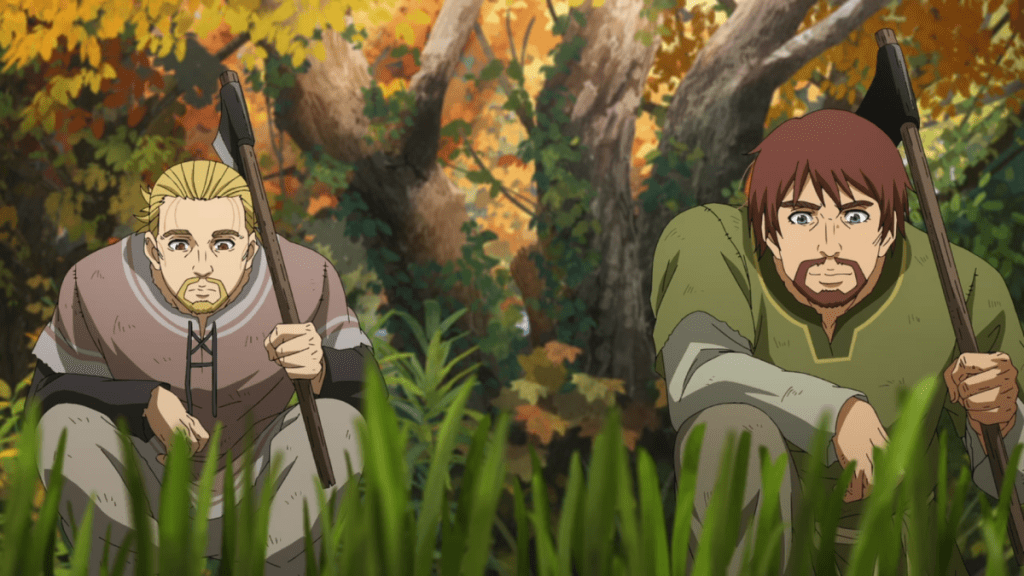
The slave arc! (Feels weird when I use the word slave and an exclamation point). Anyways, I read this arc in the manga back in 2019 and was blown away by it. I had high expectations for the anime adaptation, considering Studio MAPPA did a great job with season 1, and I wasn’t disappointed. Season 1 is about Thorfinn chasing after his father’s killer as he becomes consumed by hatred and violence. However, the author, Makoto Yukimura, has a strong view of the destructive cycle of hatred and violence.
There’s this quote in Vinland Saga that’s always stuck with me. Thorfinn desperately wants to go to war with his father. His dad tells him: “You have no enemies. No one has any enemies.” It’s such simple idea, but I find myself coming back to it often. When people on Instagram post about how Hamas is pure evil and must be killed, I think about that quote. We don’t have enemies. We create them. We make them up to justify brutality. We create enemies to try to take away their humanity. But if you take a step back, why do we do this? Why do we need enemies? And most importantly, after we do horrible things, is it possible to find redemption?
Yukimura tries to answer this last question in Season 2. It’s tricky. Season 1 focuses so much on cool fights. How do you then take that and try to weave a non-violent ideology into the story. Well, you make the main character, Thorfinn, a slave, I guess. A slave who can buy his freedom by starting a wheat farm. This is where he meets Einar, another slave. Slowly, Thorfinn must both come to terms with the violence he’s inflicted on others and also try to learn how to start a new life. Vinland Saga Season 2 makes clear that while we all must pay for the actions we’ve inflicted onto others, everyone has a chance at redemption. I think this is best shown when Snake, the caretaker on the farm finally tells Thorfinn and Einar his true name. Snake has cast aside his name, presumably for the war crimes he’s committed, but after Thorfinn and Einar save the farm, he realizes that he wants to tell them his true name. I’m not sure what it is about this moment, but I love it so much.
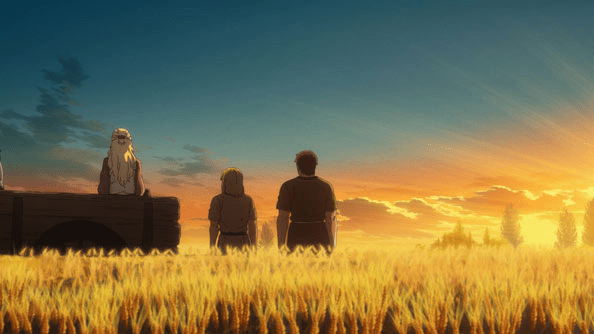
The best part of this season though doesn’t come from any big fight or speech. It’s just the simple moments in nature. When Thorfinn and Einar are uprooting stumps to start their wheat farm or admiring their crop in the golden sunset. The show revels in these small moments, and I think shows these days don’t do enough of that. Shows like League of Legends and Cyberpunk: Edgerunners (to be discussed later in the list) are great. But it’s all plot beats. Vinland Saga Season 2 soaks itself in the little things. And that’s where Thorfinn truly grows. It’s a special show.
7. Elena Knows (Book)
The next book on the list! I’m not going to write a lot about this book because I actually wrote a whole article on the book earlier in the year. Even if you haven’t read the book, I’d love if you checked it out. That all being said, this is a great book. It’s a simple story. It’s about an old woman named Elena. The book follows her over the course of a day, as she travels Buenos Aires (which I’m excited to travel to next January). I really love how the book is written. There’s something precise and direct about it. Again, check out the article I wrote. I think I’ve spent all the words I can for this book on that.
Side note: it looks like this book is going to be adapted as a movie for Netflix this month. I’m interested in how they adapt it, so I’ll probably give it a watch.
8. The Shadow of the Torturer: Part One of Book of the New Sun (Book)
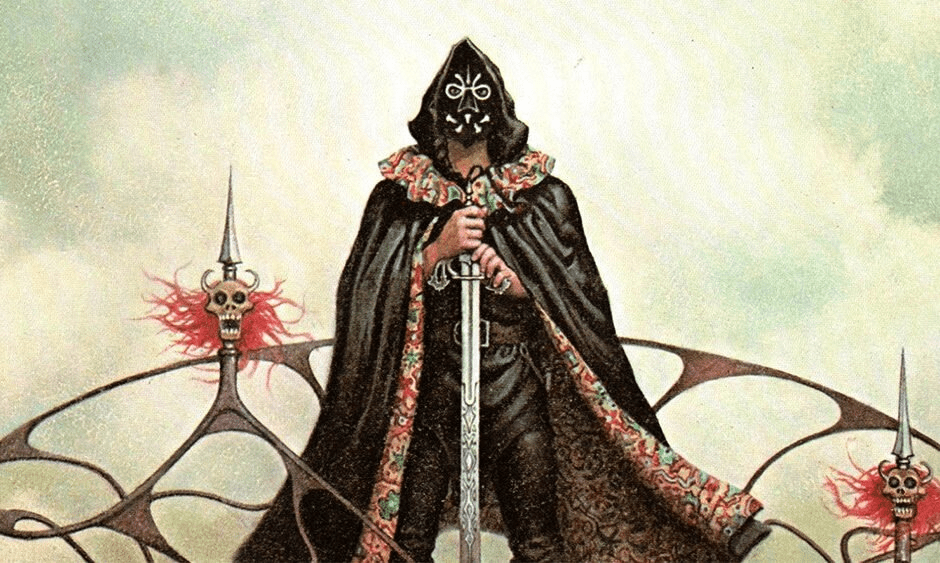
The Shadow of the Torturer was the most unique thing I read or watched this year. It tells the story of Earth in the far future, where humans have already traveled the stars and come back. Now, the Earth is old and the sun is dying. Society has fallen into a medieval culture, so this book truly is a “science fantasy” novel. In it, we follow Severian, a young man who is part of a guild of torturers for the ruling government. At the start of the novel, he is banished from the guild after he shows mercy to one of their prisoners. The book follows his journey as he leaves the guild and sets out on a journey of his own.
What makes this book interesting is it is told from a first-person perspective. Severian’s perspective. And it’s not just Severian’s perspective. It’s his perspective many years after the aforementioned journey, where he effectively becomes king of the world. The book is meant to be a memoir of his journey to ultimately become king. That’s already interesting, but there’s an additional layer. Severian is an unreliable narrator. As you continue reading the book, it becomes clear Severian, as the king, has an agenda he’s trying to convey with his memoir. There are details he adds in and others he intentionally leaves out. He also claims to have a perfect memory, but we quickly find many instances where that is not true.
To top it all off, this is an incredibly dense book. The true author, Gene Wolf, sprinkles so many details and easter eggs in the novel. If you aren’t paying close attention, you’ll end up missing big parts of the story.
And finally, it’s just a fun novel to read. There are so many cool parts. There is as five chapter sequence where Severian gets lost in a Botanic Garden, where each room transports him to different time periods. There’s a part where he has to duel someone with an Avern, which is a deadly flower that came from another planet. And there’s more. Crazy dream sequences. There’s even a part where Severian stumbles into a live theatre play and starts acting out a role he’s never rehearsed for.
It’s a wildly ambitious and unique book.
9. Children of Time (Book)
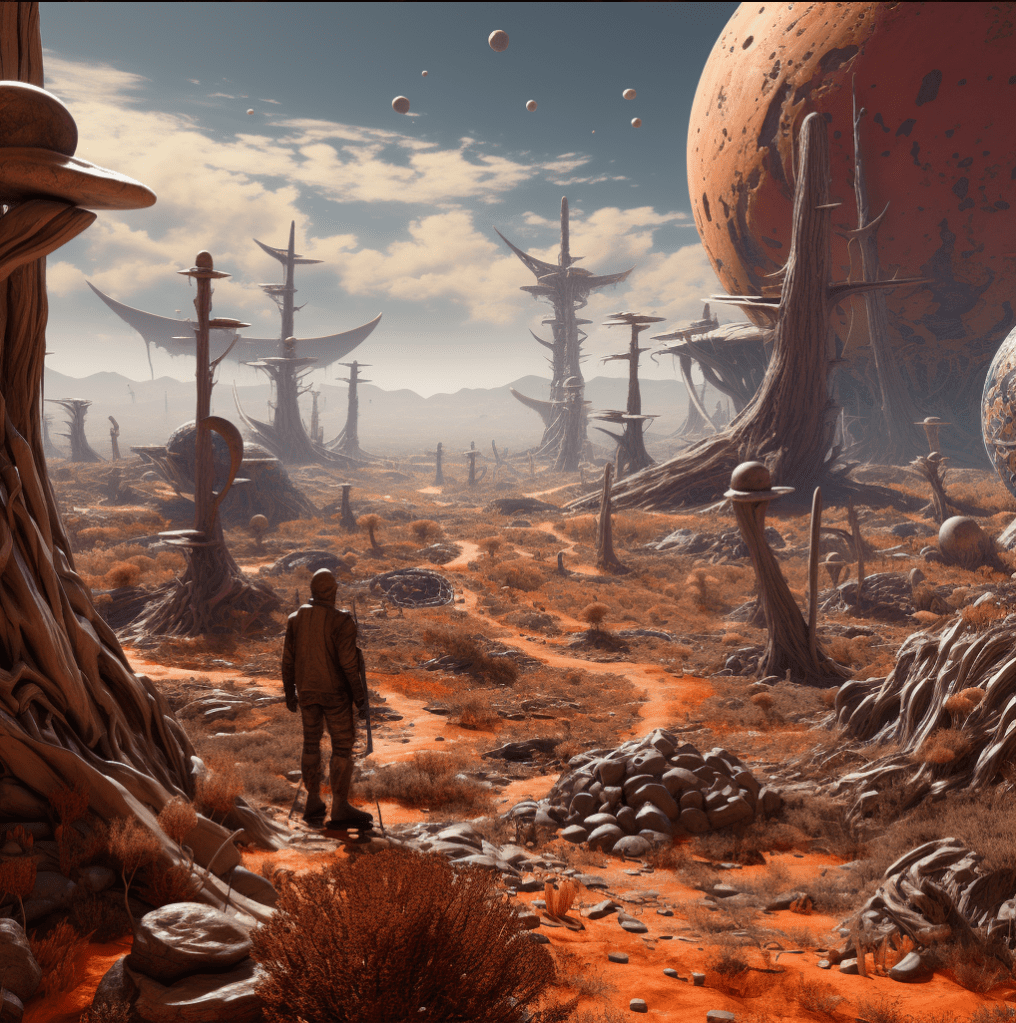
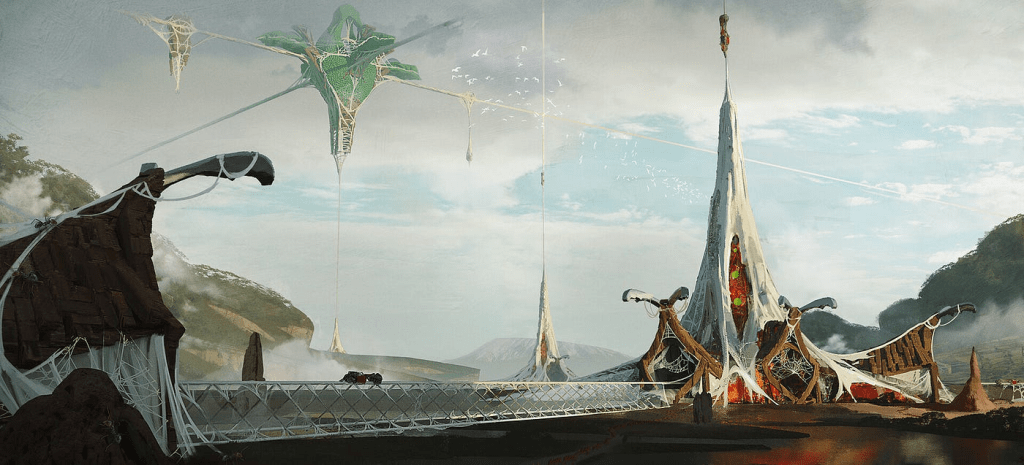
In the far future, humanity tries to terraform another planets. Dr. Avrana Kern, a renowned scientist, attempts to put monkeys on the terraformed world and see how they will evolve. However, after Earth undergoes a nuclear war, the project is long forgotten. Children of Time tells the story of the only ship to escape a dying Earth. We follow a group of humans who attempt to find another planet to inhabit, such as Kern’s terraformed world. However, unknown to the humans, monkeys did not end up evolving on the terraformed planet. Instead, jumping spiders, called Portia Labiata, end up growing larger and developing intelligence. The story is told in two parts: one of the ship Gilgamesh, where humanity eventually devolves in barbarism, and Kern’s world, where spiders undergo evolution over the course of hundreds of years.
Following the spider’s tale is what makes this book so good. The author, Adrian Tchaikovsky, has a background in zoology, which he utilizes in an interesting way for the book. The alien spiders slowly evolve, similar to humans. But they do so in a way that’s wholly unique to them. For example, female jumping spiders are naturally dominant to males. They are larger and often eat male spiders after copulating. As the spiders evolve, this historical gender dynamic creates a point of friction. Tradition enforces a more strict gender hierarchy, but as smarter males start contributing to society, the issue is forced to a head. Another interesting evolutionary point. The spiders’ technology is primarily based on two things: their webs and excreting pheromones from their bodies that can control other insects, such as ants. As a result of these different biological functions, the spiders evolve in a different way. Their cities are built vertically from webs. Their technology is based on using specific chemical commands to tell lesser insects what to do. You may have a colony of ants controlled specifically for farming.
This alternative view of evolution comes to a head when the spiders finally advance to the point where they can travel to space. In the below passage, they spiders finally meet their creator, Avrana Kern.
When my ancestors reached for space, there were deaths among those pioneers too. It is worth it. The next phrase is alien to Fabian the spider. He will never know what was meant by Kern’s next phrase. I salute you.
He turns to Portia the spider, who has nothing more left to give. She lies on her back, senseless, stripped of everything but her most basic reflexes.
With slow, difficult movements, Fabian begins to court her. He moves his palps before her eyes and touches her, as if he were seeking to mate, triggering slow instinct that has been built over by centuries of civilization but has never quite gone away. There is no food to restore her, save one source (himself). There is not enough air for two, but perhaps sufficient for one.
He sees her fangs unclean and lift, shuddering. For a moment he contemplates them, and considers his regard for this crewmate and companion. She will never forgive him or herself, but perhaps she will live nonetheless. He gives himself up to her automatic embrace. (487)
In this scene, Fabian is eaten by Portia. However, this is a choice he makes to sacrifice himself for her. After centuries of progress that moved the spiders away from this barbaric practice, he returns to it for a very different reason. The fact that it comes in space, right after the spider’s first contact with their (essentially) god, Avrana Kern, makes it one of the best scenes I read this year.
10. Uzumaki (Manga)
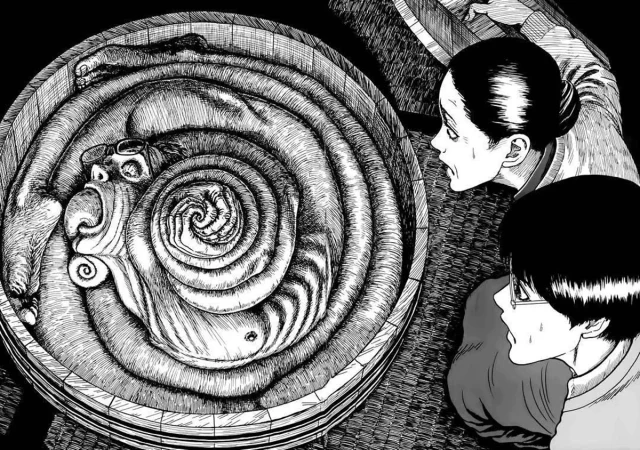
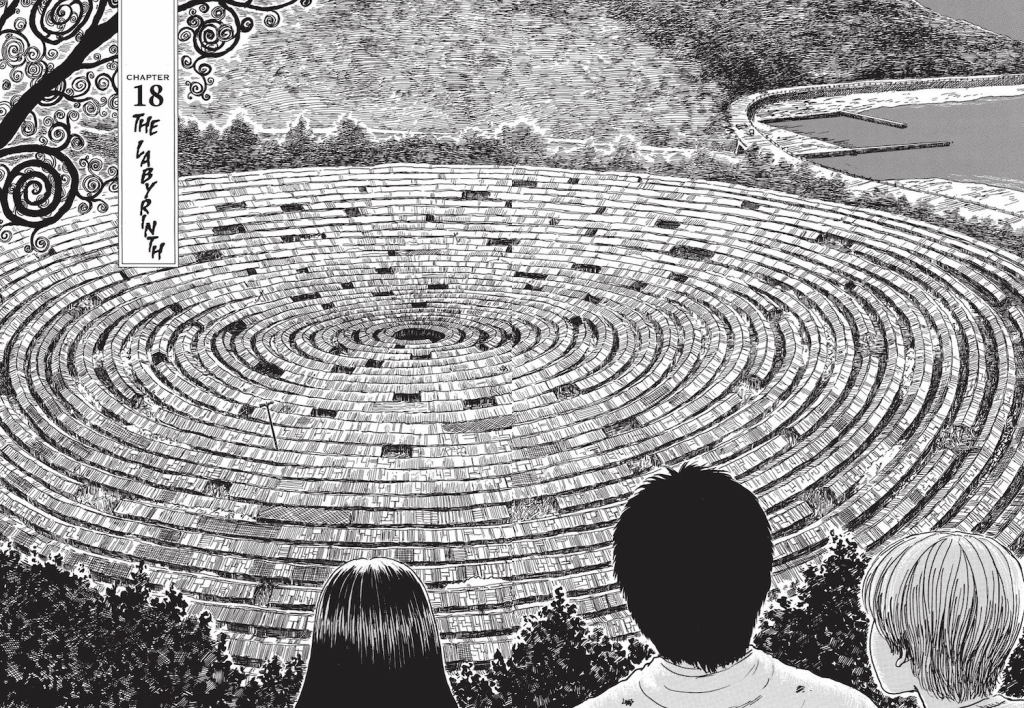
Uzumaki is my first horror manga. Considered to be Junji Ito’s masterpiece, the manga deals with a remote town where the residents become increasingly obsessed with spirals. The story ends up becoming a collection of short stories in the town where different residents meet gruesome ends that somehow relate to spirals. At first, the short stories feel unconnected. You’re also confused why the residents aren’t becoming more warry of supernatural spiral phenomena. However, the story starts to build. Each short story ends up layering itself upon another, until the whole town ends up being trapped in a large spiral.
While some short stories felt a bit out of place and not consistent with the overall horrific tone of the series, I keep thinking about this manga after I finished reading. I’m not sure if its the almost hypnotic way Ito makes you feel all of the tragedies of the town are inescapable or the outstanding art that conveys a sense of horror, but this is a really interesting series that I would recommend people read. It’s short. One volume. And I think it accomplishes and conveys a feeling that I’ve never really experienced before with manga. The whole thing feels like you’re in this dreamlike (or nightmarelike) state.
11. Killers of the Flower Moon (Movie)
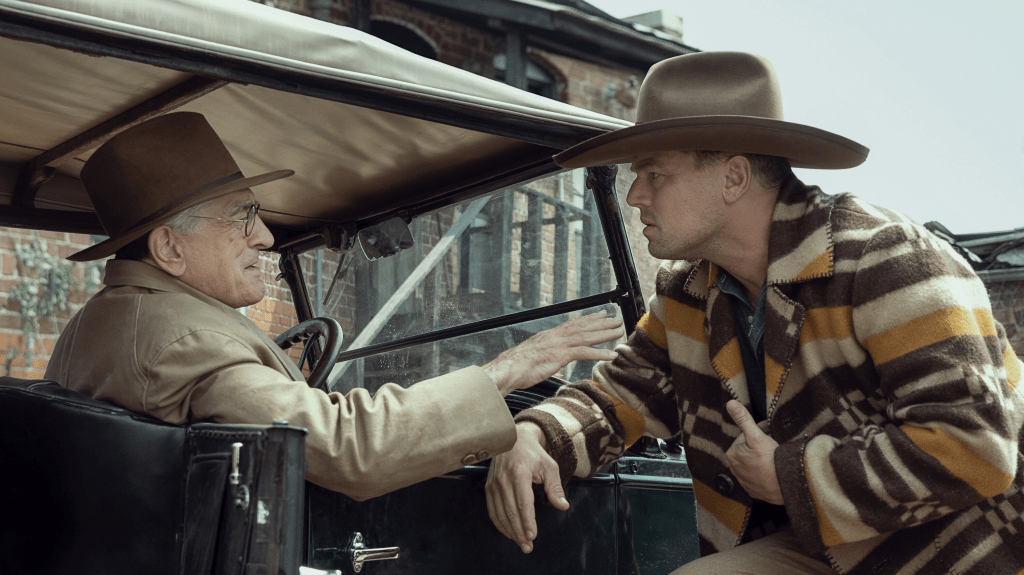
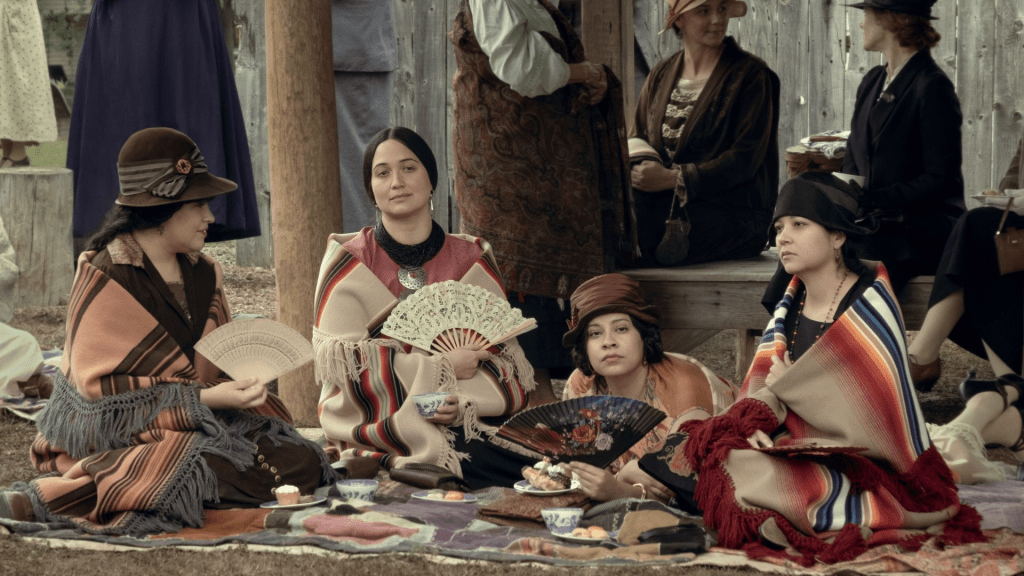
This is a really good movie. It’s three and a half hours long, and I was captivated for the majority of it. Martin Scorese’s cinematography demands you pay attention to each scene. They all feel so carefully crafted, and Osage country in Oklahoma serves as a beautiful backdrop for Scorese’s latest film. He’s able to honor Osage culture without coming off as overly pandering. It’s a tricky line to walk.
What really stands out is Leo DiCaprio and Robert De Niro’s performances. It’s an interesting film in that it slowly becomes clear these two are the bad guys. DiCaprio plays an unassuming man that sets to make a new home for himself In Oklahoma in the 1920’s. He meets his uncle, played by De Niro, who encourages to get a job as a driver in town. DiCaprio meets a rich Native American woman, and Di Niro encourages him to romance and eventually marry her. As the story continues, we learn that De Niro and DiCaprio are trying to slowly kill this Native American family, so they can inherit their oil fortune. DiCaprio’s role is really interesting. He manages to be slow witted, evil and charming, all at the same time. The role feels more textured than his other famous Scorese role – Jordan Belfort. Unlike Belfort, DiCaprio is not as talkative in this movie. Much of his performance comes through with subtle face and body movements. He does a good job of playing a conflicted, initially sympathetic character, that, by the end of the movie, we realize is completely unredeemable. He may have loved his wife and children, but ultimately, he was readily willing to slowly kill her and her family for money. There is no white savior here. Only murder and genocide.
My biggest criticism of the movie is it’s too long. The first two hours has a solid pace to it, but once DiCaprio is arrested, things slow down. It feels like the last portion of the movie could’ve been tighter. It’s hard to sit down for something that long, and once I hit the three hour mark, I found myself frequently looking at the phone and wondering when the movie would end. It’s not a feeling that you want during a movie and is why I have this film, which has better cinematography and acting than anything above it on the list, is at number 11.
12. Kowloon Generic Romance: Volumes 1 – 4 (Manga)
It may be premature to rank this manga so high. Only four volumes have come out, and it feels like we’re barely scratching the surface. This is the second Jun Mayuzuki work that I’ve seen. The first one being an excellent anime adaption of his other manga, After the Rain. This manga is a mystery romance set inside of Hong Kong’s walled Kowloon city. There is a hint of science fiction and magical realism running through the series. But most of all, this manga is able to capture an atmosphere that I’ve never experienced before in the medium. Think “In the Mood for Love” crossed with “Eternal Sunshine of the Spotless Mind.” The manga plays with the idea nostalgia, memory, isolation and love.
The artwork is also absolutely beautiful. You’re transported into the small, narrow and winding alleys of Hong Kong. It’s a feeling that I haven’t experienced since studying abroad in Hong Kong in 2017. That city feels both impossibly old and new. It’s at once nostalgic and forward looking. I think this manga captures that mood, and I’m interested to see where Mayuzuki takes the series.
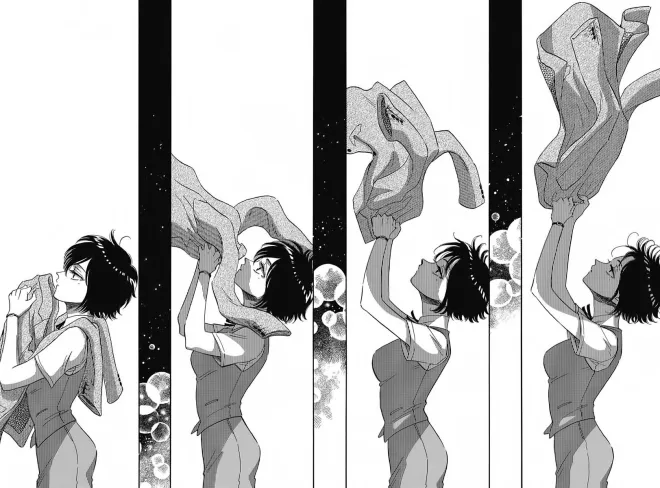
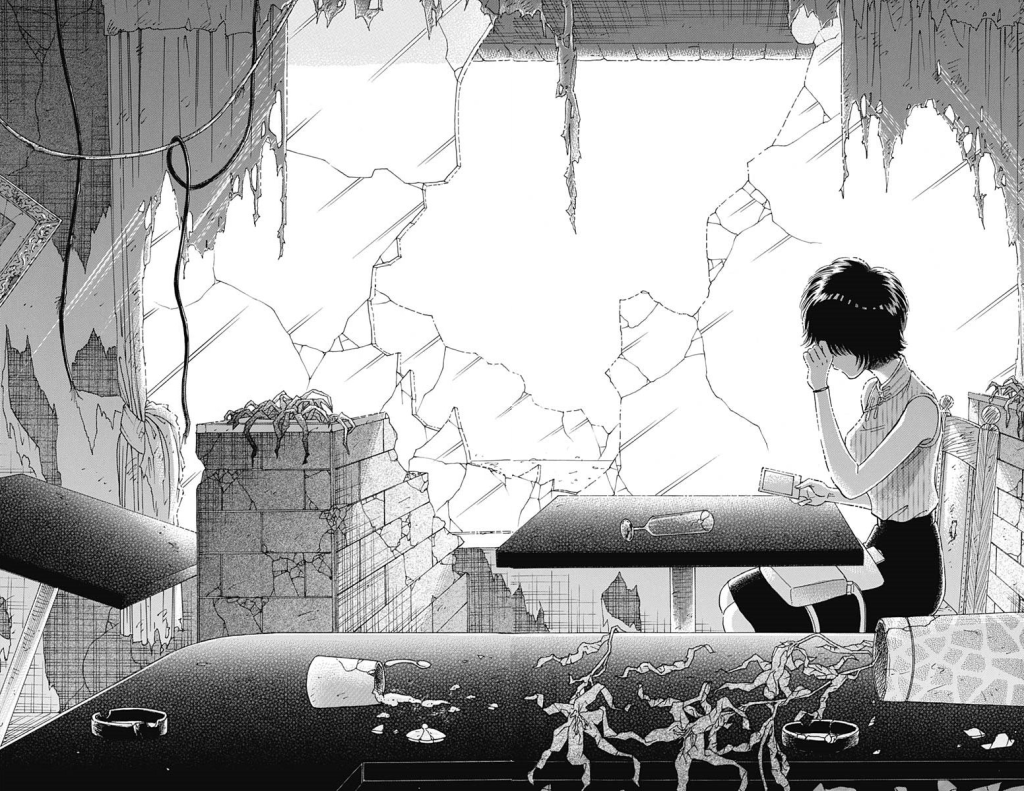
The other thing I wanted to spotlight is Mayuzuki’s manga paneling. Whenever I’m reading manga, the first thing I look for is how the mangaka uses the sequence of paneling to tell the story. It sounds simple, but is hard to pull off well. I think Hunter x Hunter and Chainsaw Man do a great job of it. With Hunter x Hunter, it feels like Togashi has a very solid grasp of paneling fundamentals. With Tatsuki Fujimoto and Chainsaw Man, the sequence of paneling is clearly inspired by his love of cinema. In my mind, good paneling can show subtle character movements and scene changes, which can be used to convey emotion or movement. With Kowloon Generic Romance, Mayuzuki interweaves a hazy dreamlike quality with his paneling. For example, look at the two panels below. In the first one, Kujirai sees a photo from a past she does not remember. Seeing that photo shatters her sense of being, which is illustrated in the second panel, with broken glass and objects scattered throughout the scene.

13. Panenka (Book)
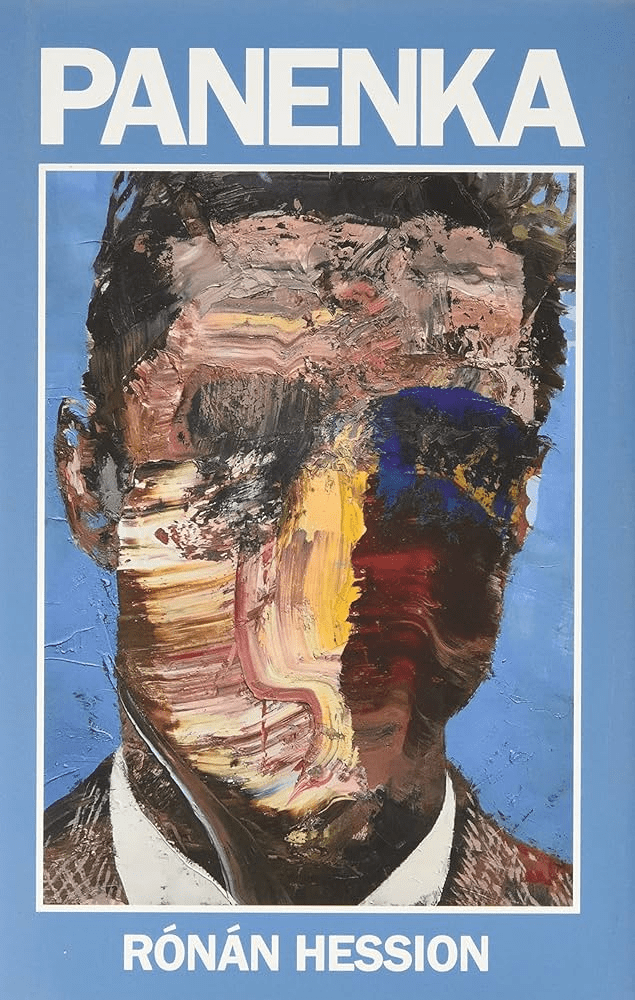
Panenka is a relatively short and contained story. It tells the story about a man named Joseph, whom people in his town call Panenka. In soccer, a Panenka is a penalty kick aimed slowly towards the middle of the goal. It’s meant to throw off a goalie, who typically is diving left or right for the ball. Our main character is a former soccer player, who lost a large match 25 years ago after a Panenka. That mistake compounded into the rest of his life. He’s currently living with his daughter and grandson, given a second chance at life.
I loved this book. It’s focused on the simple lives of five characters. Not much actually happens in it. The author, Ronan Hession, spotlights these characters as they try to become better people. Better towards themselves and their families. I think the main message of the book is no matter where you are in life, it’s not too late to become a better person. We also all deserve to have people in our lives. We all deserve empathy and love.
One nice passage below. The passage that ends the book. This is when Joseph (Panenka) takes his new friend Esther to his place of work. For him, it’s a revealing moment, as he’s made a point to never let people know what he does for work. For Panenka’s current job, he’s working at the Saint Teresa’s Cathedral, helping restore the church. In this moment, he bring her to the top of the cathedral.
They stood at the top, the platform steady but not without a little unsettling movement. The light that came through the rose window formed a kaleidoscope on their faces. He looked at Esther, bathed in purples and reds and golds and blues and a million other pixels of gothic colour…
“You know, if I had a choice… If I could choose an ending,” he said quietly. “this would be it. Here with you, your face stained by the light.”
“Don’t make me cry, Joseph.”
“Never, Esther. I never would.”
Tier Three: It’s Good But I Do Have Some Complaints (7.5 – 8.5)
14. Scott Pilgrim Takes Off (TV Show)
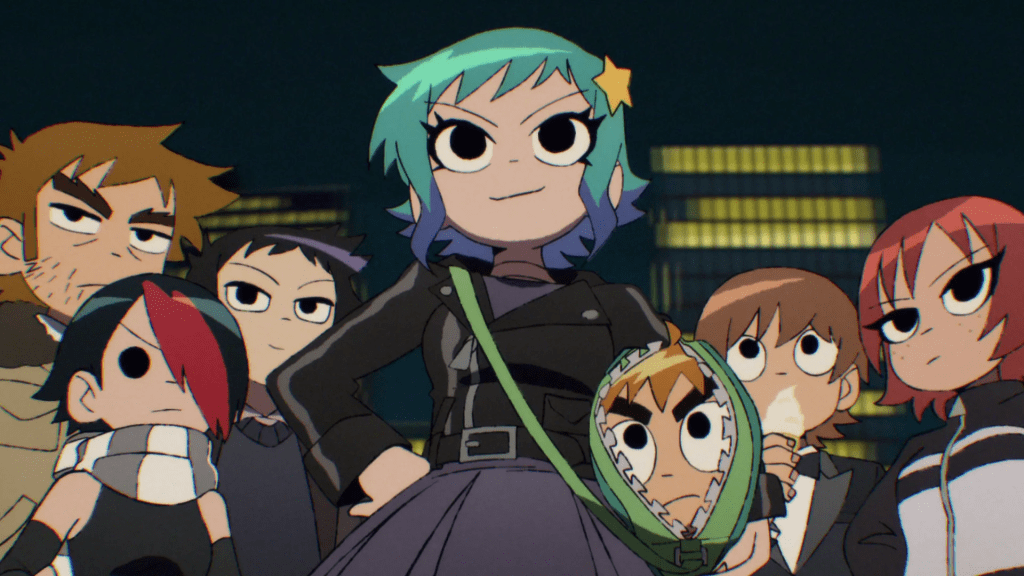
This is a really fun show! I don’t remember much of the original Scott Pilgrim movie, and after watching this new anime, I feel like I need to give the movie another watch. It’s beautifully animated. The show is a collaboration between Japanese anime studio Science Saru and Scott Pilgrim’s original creator, Bryan Lee O’ Malley. In it, they tell the story of Scott Pilgrim from a different perspective. In fact, the show barely includes Scott Pilgrim. It mostly focuses on Ramona, as she comes to terms with all of her ex-boyfriends herself. The show reexamines and shines a spotlight on some of the stuff focused on less during the original movie.
Even though show focuses on other items during its run time, it still maintains the same love of video games, animation and film shown during the original movie. For example, there’s an episode where Ramona is fighting one of her evil ex’s as they cycle through a dozen different action movie sets, and for some reason that makes sense because they’re fighting in a DVD rental store. There’s another episode where everyone is on set for a movie about Scott Pilgrim. Not only does this create a fun movie inside a movie meta schtick, but they also add a mockumentary format to it and have one of Ramona’s ex’s fall madly in love with Scott’s gay roommate. The whole thing is just a lot of fun.
Beyond all of this, I loved the premise behind the show. Future Scott Pilgrim has travelled back in time to sabotage Scott and Ramona’s relationship because he doesn’t want to deal with the inevitable heartbreak he’ll receive when they get married and eventually divorced. However, the show does a good job pointing out this is a silly thing for Future Scott to do. Whenever we enter relationships, there’s a chance things end badly. See Ramona and all of her evil ex’s. But, that doesn’t mean those relationships weren’t meaningful and important. Just because something comes to an end doesn’t mean we should have stopped in from happening. We had good memories during those relationships. We grew both during and after them. All things coming to an end in life and that’s okay.
15. Cyberpunk: Edge Runners (Anime)

What an odd show. Cyberpunk 2077 and CD Projekt Red commissioned Studio Trigger and Hiroyuki Imaishi to make this 10 episode anime. It had no business being good. CD Projekt Red lost a lot of goodwill with their rushed release of the Cyberpunk 2077 video game. Studio Trigger is also a bit of an engima. Imaishi created one of the most iconic anime of all time, Gurren Laggan (2007). He left Studio Gainax to form Studio Trigger, which burst onto the scene in 2013 with Kill La Kill. If you weren’t around the anime scene then, it’s hard to overstate the impact the show had on the community when it first came out. Like Gurren Laggan, the art style and tone was completely bombastic. It was absurd, funny and epic. Since then, Studio Trigger is probably best known for the comically bad, Darling in the Franxxx. With that background, I wasn’t sure how these two players would handle an anime original.
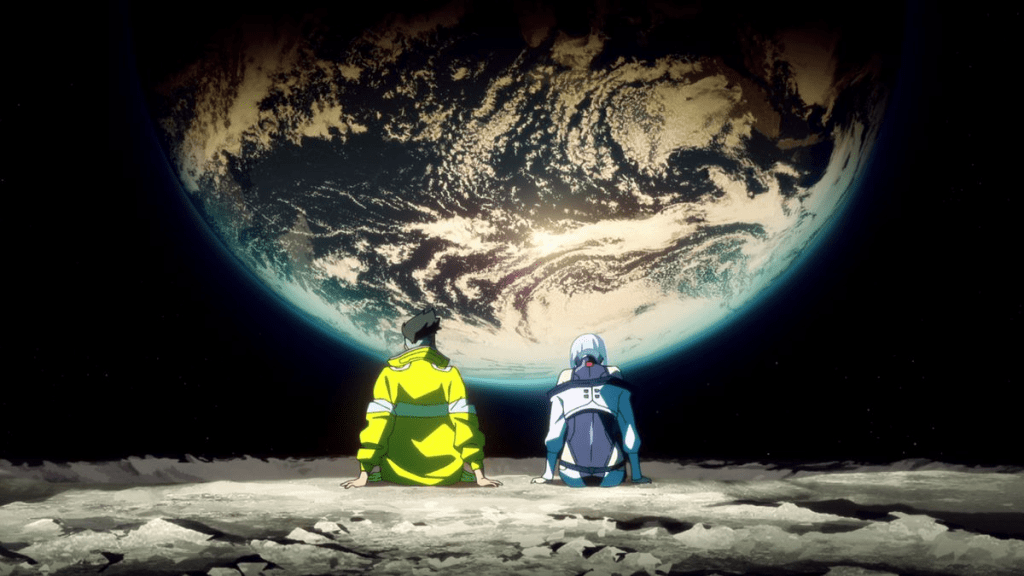
It turns out this show is a homerun. Studio Trigger makes Night City, a dystopic version of Los Angeles come to life. The characters are distinct, fun and memorable. The story is fairly simple. David Martinez, a bright, but poor, student, joins a group of high-tech black market mercenaries, called Edgerunners. We follow him, as he goes deeper into the underworld. Studio Trigger packs a lot in 10 episode, and you feel like things are moving the entire time. I think this serves as a strength and weakness for the show. On one hand, it doesn’t feel like there’s any fat. It’s a focused show that keeps things moving. On the other hand, there’s no fat. At least very little. The plot is interesting and focused, but it never feels like the show stops and take a breath. I mentioned this in my review of Vinland Saga Season 2, but I appreciate when a show takes time to revel the world they’ve created. There are some really nice, non-plot scenes in Edgerunner. Like when Lucy shows David a virtual reconstruction of the Moon, and they both sit there, staring back at the planet that has been so cold to them.
What I really love about this show is the impact that David’s gang is able to make in such a short time. They guys are outcasts. People who had no one and eventually found each other. It comes through so naturally in the show, and I wish more shows were confident enough in their characters to do more showing and less telling. The English dub is also great, and I’d recommend you give that a chance if you watch the show.
16. The Fifth Season (Book)
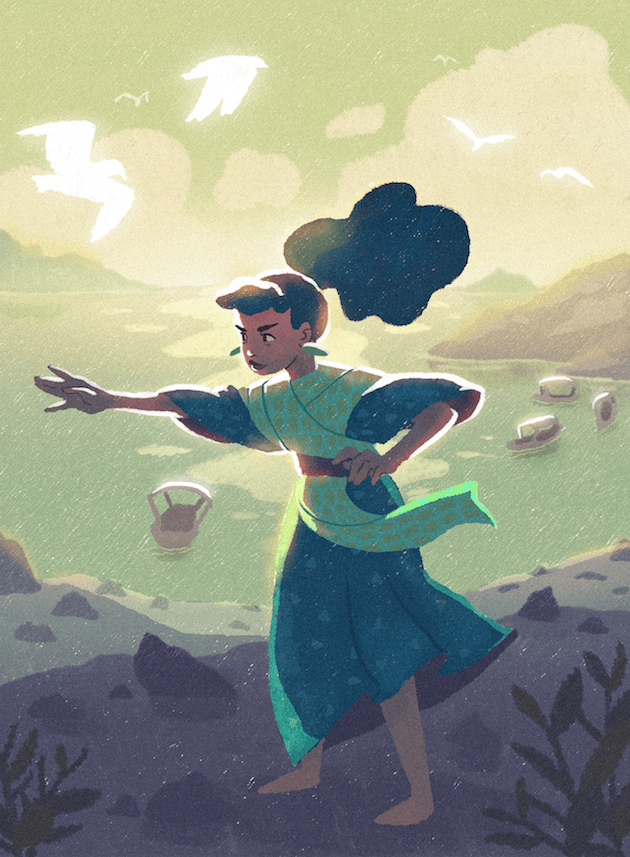
Ranking the Fifth Season by itself feels weird. It’s first book of a series called the Broken Earth Triology. The story takes place on a planet with a single supercontinent. Every few hundred years, its inhabitants endure a catastrophic climate change called a “Fifth Season”. In the story, we follow Essun, a middle-aged woman. She’s secretly an orogene, a human with the ability to manipulate earth and stone by absorbing or redirecting heat and energy from elsewhere. These people are severely discrimanted against, and the story starts with her husband, who is not an orogene, killing their son and kidnapping their daughter.
The book follows three different threads. Essun as a child, who is taken away from her family after she’s discovered to be an orogene. Essun as a teenager, who, along with the most powerful orogene in the world, Alabaster, are sent on a mission to a port town. And finally, Essun as an adult, who is trying to find her daughter. In each story, the author writes in a different style. For example, in Essun’s adult story, the author uses first person narration. It’s an interesting choice that keeps things interesting. I think Essun as a teenager is the most interesting story to follow. Her story with Alabaster involves them going to a port town, surviving an assassination attempt, running away to a remote island and living a semi-pirate life together. The story is well written, has a very interesting world and good characters.
Had this story been standalone, I may have rated it more highly. However, too much of the world building and story hinges on what’s going to happen in the next books. I didn’t end up reading the sequels, as I’ve heard the writing quality drops. It’s a little unfair, but if I know that the sequels aren’t great, I’m not going to spend time reading them. As a result, I’m also not going to give credit for things hinted at in the first book. It’s easy to entice a world through mystery, but if you can’t ultimately deliver, then I do think the original work should be dinged. The book is still really good and I think is worth a read, but did the author deserve three Hugo awards for the series, ehhhhhh, I’m not sure.
17. Jujutsu Kaisen Season 2: Hidden Inventory Arc and Shibuya Incident Arc (Anime)
JJK isn’t an incredibly deep show. It’s your standard shounen fair, and honestly, that’s okay. It does a good job of it. It’s also beautifully animated. Sometimes, it’s fun to just sit back and watch cool fights!
Season 2 of JJK is divided into the Hidden Inventory Arc and Shibuya Incident Arc. They’re very different. The Hidden Inventory Arc is a flashback, telling the story of Geto and Gojo as high schoolers. It’s a nice change of pace from the nonstop action, and it’s the first time in the show that we really get to sit with the characters and understand who they are.
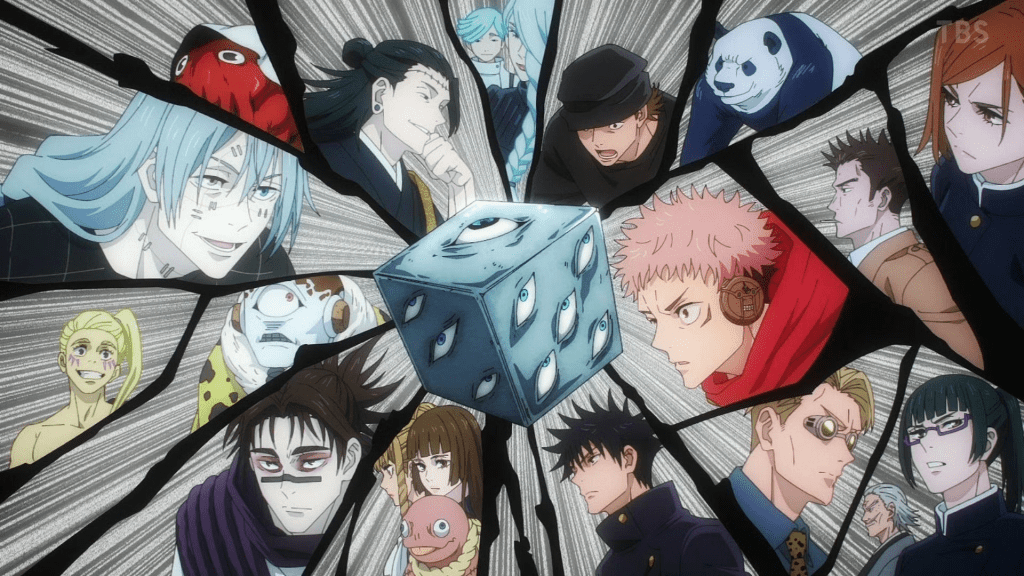
The Shibuya Incident Arc is probably the most famous arc of the entire series. In it, Gojo is trapped in a cursed object box called Prison Realm. Geto and his cursed spirits use the opportunity to wreck havoc on Shibuya. The Jujutsu sorcerers come to intervene and we’re treated to some amazing fights. One fight in particular that stood out to me is Yuji vs. Choso. It’s tense, well animated and easy to follow.
However, I wish I could say that about all of the fights in this arc. Unfortunately, I think most of the fights and the general power system in the show are hard to follow. It doesn’t have the sort of “chess” satisfaction that Hunter X Hunter or Jojo’s Bizarre Adventure has, and when your entire show is just fights and has no real plot or character development, it’s tough to rank this any higher.
18. Andor (TV Show)
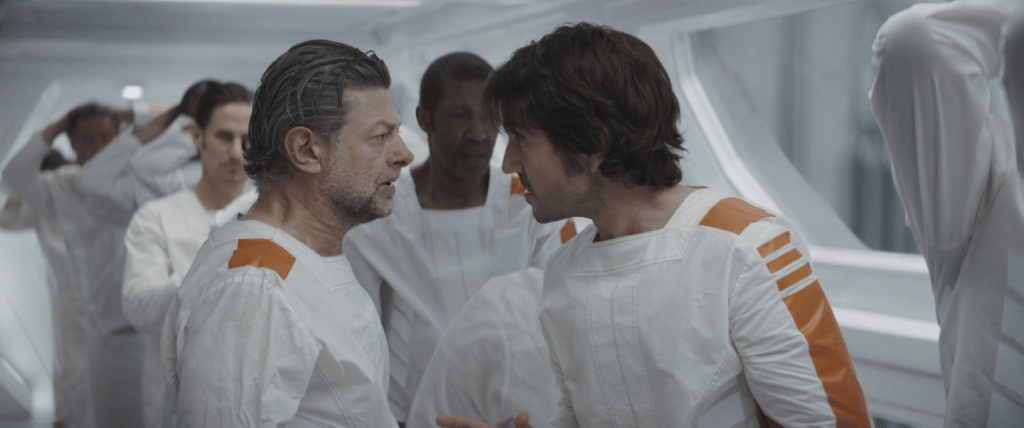
I’m so happy this show is good. The post-Disney acquisition of Star Wars is one of the most depressing things of my adult life. Star Wars is a series I loved as the a child. I had (still have!) a special DVD box set of movies 4 – 6, and as a kid, I would watch those movies over and over again. There’s just something magnetic about those movies. The Empire Strikes Back is one of my favorite movies of all-time. Then Disney purchased Star Wars and started to quickly milk the living shit out of the IP, releasing terrible movies and shows. It just felt so capitalistic and a microcosm of entertainment industry in the 2010’s. Let’s take all the original IP out there and pump out as much crap as we can out of it, diluting the heart of it to the point that it’s unrecognizable.
Then came Andor. The show follows (1) a scavenger who is forced to leave home and join a revolutionary force, (2) a wealthy senator who tries to help the rebellion and (3) a hardline security officer in the Imperial force. Diego Luna plays the main character, Andor, and he does a great job capturing one of the core themes of Star Wars. One of the things that made the first set of movies so memorable is that Luke is just a simple boy from a desert planet. He’s thrust into the center of a galactic space opera against his will, but eventually rises to the moment and understands the responsibility he bears. Andor is in a similar position here. He has no sympathy for the rebellion and would rather live his life in obscurity. However, after finding himself trapped on a prison planet, forced to do hard labor for the rest of his life, Andor becomes hardened. He ends up leading a revolt on the prison planet, turning into the rebel that we come to know and love in Rogue One, which, by the way, is my favorite Star Wars movie of the new generation. I guess post-capitalism isn’t all crap.
But seriously, the episodes on the prison planet and Andor’s heist, which culminates in this beautiful scene, where an aurora borealis-type event occurs as the rebels escape, were two great segments in the show. They’re beautifully shot, have well acted scenes and keep you on the edge of your seat. Similarly, I think Denise Gough’s acting as a semi-Nazi Imperial security officer is one of the better performances I’ve seen all year. It’s cold, stiff, calculating and unrelenting. On the flip side, I found the Imperial senator drama to be a complete drag. It was basically watching rich people sit around and talk about things that didn’t really matter to me. They may be setting something up for the next season, but that’s no reason to bore the audience for a third of the first season. There’s also some weirdly cheesy scenes, which I can only chalk up to the Disney-fication of the Star Wars. It’s good though. Would recommend.

19. Spin (Book)
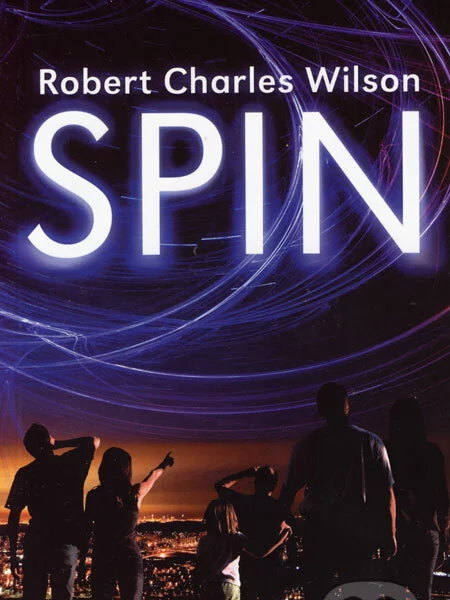
My second sci-fi book on the list. Spin has an interesting premise. One night, a box is placed around planet Earth by unknown beings and no explanation. The box blocks the stars and the aliens set up a fake sun for the humans inside the box. The novel follows how humanity, and specifically, three characters, deal with this new reality. Some keep living life as they usually did. Others become obsessed with the box, devoting their lives to figure out more in a scientific ways. Others fall into despair.
While Spin is a sci-fi book with a very cool premise, the book itself doesn’t feel like a sci-fi. It focuses on the day-to-day lives of our main characters. I think the writing is solid, and if I had one knock on the book, it’s that I never got that invested in our main character, Tyler. He feels like a passive observer for a lot of the novel, letting the author tell his story on how humanity figured out how to deal with the Spin (the black box) and why aliens put the structure around them. The premise is good. The prose is great. But I never felt incredibly connected to the characters. I think it’s worth a read, but I don’t feel like the book left a real emotional impact on me.
Tier Four: Flawed Work That Had Some Good Parts (6 – 7.5)
20. Another Country (Book)
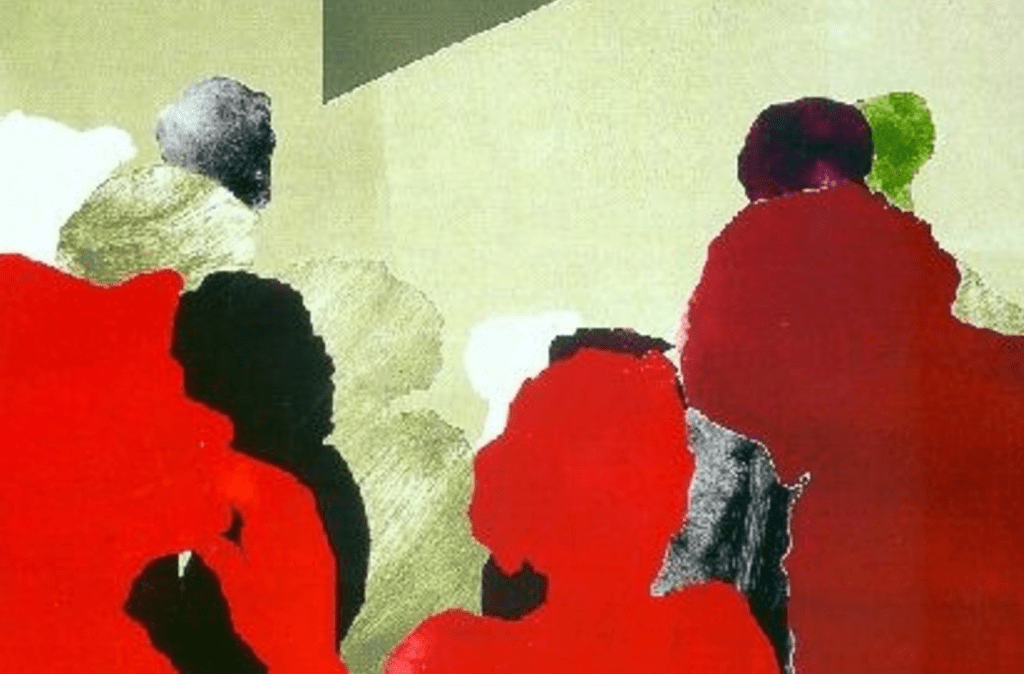
My second James Baldwin book of 2023. I had high hopes for this one after reading Giovanni’s Room. This book is set in New York during the 1950s and follows the lives of three people, as they deal with the fallout of their friend’s recent suicide. Like Giovanni’s Room, this book addresses themes of race, sexuality and social class and how they all relate to each other. Given the similarities, I was disappointed with the novel. It took a while to get through, and it wasn’t until the very end that I felt somewhat invested in the book. I think the biggest issues are (1) it’s told from a third person perspective, while Giovanni’s Room is told from the first person perspective, and (2) it’s almost twice as long as Giovanni’s Room. On (2), I thought the increased length would help. In my mind, the story and cast would have more time to develop. However, this led to the book feeling unfocused and bloated. Giovanni’s Room spotlights two characters and has a tight story. On (1), the third person perspective isn’t bad, but it doesn’t reach the highs that Baldwin is able to achieve with the first person perspective in Giovanni’s Room. Looking back, what I really enjoyed about Giovanni’s Room were the searing passages where I felt like I was truly inhabiting the mind of the character. It was honestly a feeling that I’ve never felt before, and it was missing from Another Country.
So what did I actually like about this book? New York! I love how Baldwin makes New York during the ’50s come to life. It occupies this interesting space for me. Obviously, I’m familiar with New York, having lived here for half a decade. But, the fact that it’s set in the ’50s makes it feel somewhat foreign. I also enjoy the books take on the black experience, which was missing from Giovanni’s Room. In Another Country, two of our characters are black. They have white friends and lovers, but they can never get over the fact that they are black. Baldwin puts those relationships under a magnifying glass in the book. I’m not sure I’d recommend the book, but I’m glad I read another Baldwin piece this year.
21. Pushing Ice (Book)
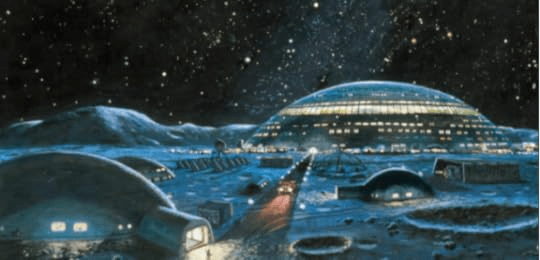
I was excited to read Pushing Ice because it’s by the same author, Alastair Reynolds, who wrote House of Suns, which is probably the best science fiction book I’ve ever read (yeah, go check it out. It’s that good).
Pushing Ice has a very cool premise: in the early days of humanity’s exploration of the Solar System, a commercial spacecraft used for mining cometary ice is informed that a nearby object, Saturn’s moon, Janus, has deviated from its normal orbit and is accelerating out of the Solar System. The spacecraft is the only ship close enough to catch up to the moving moon, and the crew of the spacecraft is sent to tail the object and relay back as much information as possible.
Despite the interesting premise, the book is poorly written. It’s a long book (460 pages), but there is also a lot of story to tell. So much so that I think Pushing Ice would’ve been better served as a trilogy. The book tries to jam in so much story that the author frequently uses time skips, which is a good tool to use sometimes, but I think he ends up skipping over some important stuff. For example, he skips the part where the crew lands on the fake moon, Janus. Also, at the very end of the book, when the crew is trying to escape an alien mega structure, there’s a huge battle that goes on between the humans and two groups of aliens. It’s a cool concept, but we never actually get to see the battle. It’s just relayed to us second hand from someone else.
That’s all to say that there are a lot of cool, grandiose concepts, but I think the book is not well executed. It’s disappointing because I like the author, the concepts are cool and I think the book starts out pretty good, but it just doesn’t really nail the landing.
22. One Piece Live Action (TV Show)

I feel bad putting this show so low because I had a lot of fun watching it. Netflix did the impossible here and made a live action adaption of an anime that was pretty good! It didn’t take itself too seriously and fully embraced the whacky, carnivalesque world that Oda created. The set designs were amazing. I felt like I was thrust into this Alice in Wonderland-like world, which is exactly what Oda tried (and succeeded) to create in his original work.
Adapting the first arc of One Piece was also tricky because, well, it’s not well written. It’s iconic because this is where Luffy first starts his adventure, building up his initial crew of Zoro, Nami, Usopp and Sanji. I think the showrunners did a great job reimagining this first arc of One Piece in 2023. They cut out a lot of the fat and added new stuff that served the story well. For example, they introduce Garp much quicker in the live action and made his and Helmeppo’s plot, which was relegated to a cover story in the manga, the B story here. It’s a smart choice and shows how the show runners thoughtfully recrafted this epic story for live action one hour episodes.
The thing that makes everything click is Inaki Godoy as Luffy. Luffy is such a specific character and tricky to cast for live action. While he does have typical shounen traits – brave, hardworking, loyal and goofy – there is something else about Luffy that is hard to describe. In my mind, it’s his almost inhuman joy of thrill, adventure and freedom. Those traits work well in One Piece because they are themes Oda to highlight in his work. After all, to Oda, being a pirate just means being free. It’s a vibe, and Inaki nails it. Beyond him, I thought that Taz Skyler did a great job as Sanji. Unfortunately, I found Mackenyu’s acting of Zoro and Emily Rudd’s acting of Nami to be flat. They both had a “I’m too cool for this” thing going, and I don’t think that’s what those characters are about.
The reason I rank the show this low is that (1) I still don’t think that East Blue is that great of material to adapt and (2) they missed the mark on some of the emotional scenes. Specifically, Zoro’s defeat by Mihawk and Nami asking Luffy for help in Arlong park. Like I mentioned above, I think Mackenyu and Rudd just fell flat in these scenes, and ultimately, these two moments mattered a lot for the East Blue arc.
However, I’m still high on the live action show and am excited to see how they reimagine the Baroque Works saga. I feel confident that they’ll do a great job.
23. The First Slam Dunk (Movie)
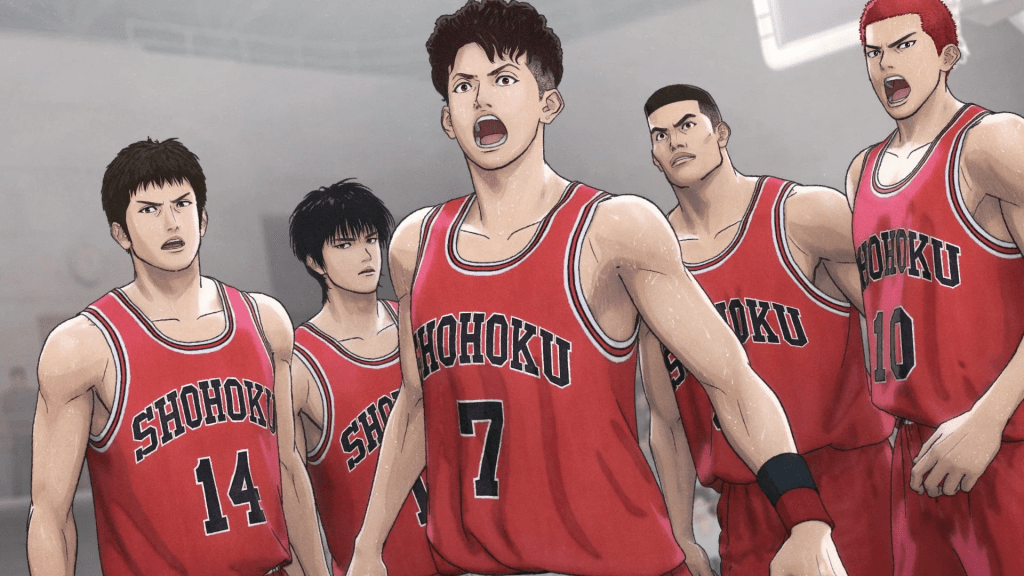
It feels weird ranking something Slam Dunk related this low given the original manga is my favorite thing of the year. The First Slam Dunk movie is interesting, as they take the Shohoku vs. Sannoh match, which was never animated in the original show, and give it an entire movie. The plot of the match follows the same story beat as the manga, which was amazing to see come to life on the big screen. However, they also shine a spotlight on one of the Shohoku starting 5 players that we don’t spend a lot of time with in the original series, Ryota Miyagi.
The movie intersplices memories from his childhood into the action of the Shohoku vs. Sannoh match. It’s an interesting idea, but my problem is I don’t think Miyagi was the right character to spotlight. I think that Akagi, Mitsui or Rukawa would’ve been more interesting characters to focus in the context of the match. Miyagi is a cool character, but in my view, he has the least depth of all five starters in the manga and also has a very unmemorable performance against Sannoh. You could argue this is why they chose to spotlight him, but I think it never quite fits right.
I had two other issues with the movie. The first is they use CG animation for all of it. I’m not against CG animation (see my love for Beastars and Land of the Lustrous), but I think the movements in the Shohoku vs. Sannoh match come off as sterile in the movie, which is a shame because I think the manga did such a beautiful job with it. My other issue is there were a few important story beats that were changed for seemingly no reason. The one that irked me the most is they completely erase Mitsui and Miyagi’s fight in the gym before Coach Anzai comes. In the scene, Mitsui breaks down crying and tells Coach Anzai that he just wants to play basketball. That was one of the most impactful moments in the series and it annoyed me that Mitsui just rejoined the team on good terms.
All in all, I did enjoy this movie because it let me relive a lot of the great moments of Shohoku vs. Sannoh, but I think almost all other choices slightly missed the mark.
24. Oppenheimer (Movie)
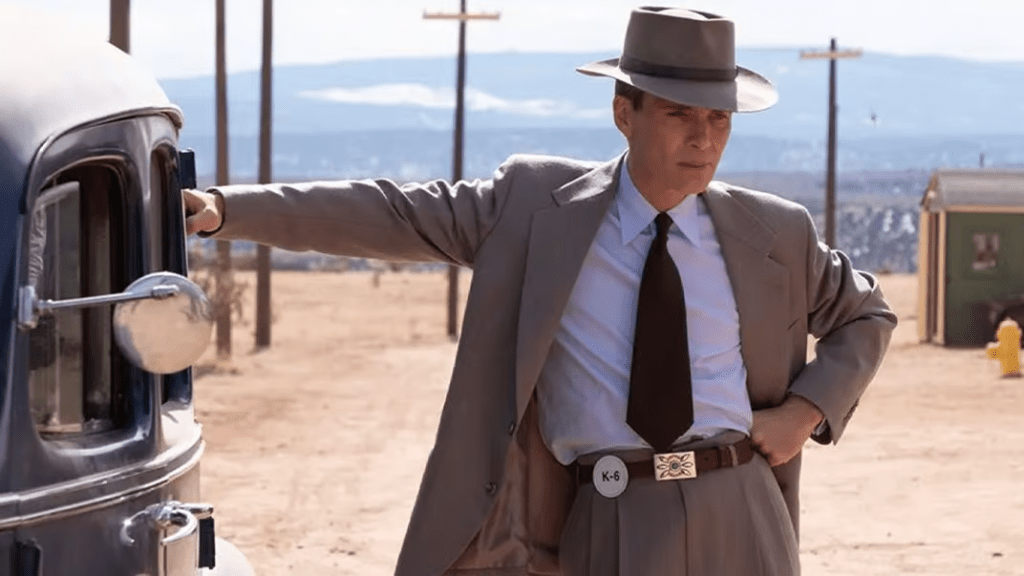
Oppenheimer is a beautiful movie to watch. There are some amazing scenes where Cillian Murphy is narrating different scientific phenonmas that were amazing to see on the big screen. I also really enjoyed Robert Downey Jr. in this movie and the interesting role he played, first as a supporter of Oppenheimer, and then, as the movie unfolded, it became clear that he was actually trying to sabotage him. It was unexpected and worked really well here.
However, the reason why I ranked this biopic so low is that while there was some great acting, cinematography and scenes, the movie felt way too long. It runs over 3 hours long, and while that may be necessary to capture the full scope of Oppenheimer’s life, I felt like there was a lot of fat in this movie. For example, Oppenheimer’s romantic escapades never really felt like the connected that well with the larger story and were mostly a drag to watch. You may be wondering why I ranked Killers of the Flower Moon so much higher than Oppenheimer, given they both have a similar run time. In the end, Killers of the Flower Moon felt like an actual movie with a coherent plot that I could follow. The non-linear, twisting biopic of Oppenheimer could’ve packed a much bigger punch if it was a lot shorter, and I think the length of it made the whole thing buckle at its knees.
25. Trigun Stampede (Anime)
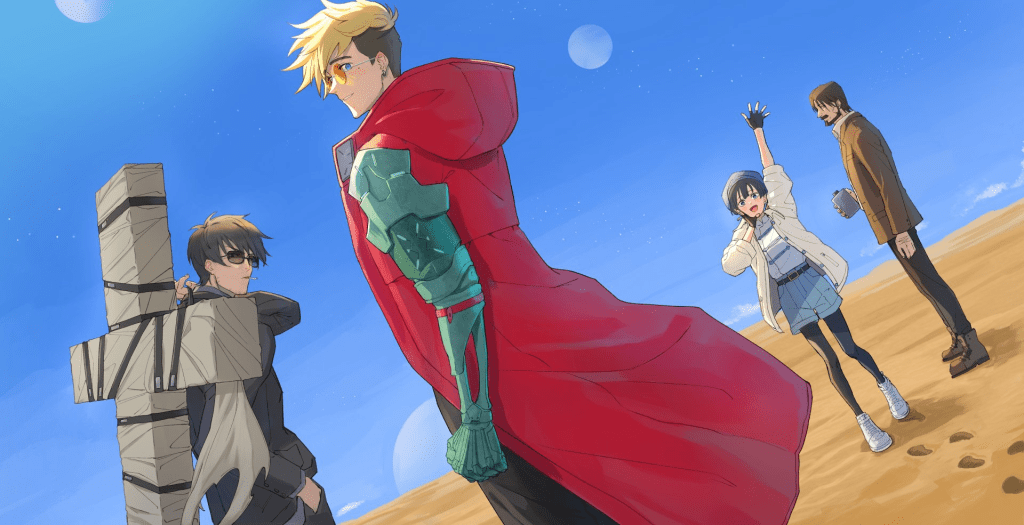
I never watched the original Trigun. It’s a legendary show and has been reimagined by Studio Orange, an animation studio that only uses CGI. I’ve loved some of their shows – Beastars and Land of the Lustrous – and think they are the only studio that’s truly figured out how to use properly use CGI in anime.
This show is really fun when it starts. In the far future, Earth became uninhabitable, forcing humanity to evacuate in massive colony fleets in search for habitable planets. One colony crash lands and eventually settles on a desert-like planet. A hundred years after the crash, we follow an outlaw named Vash the Stampede. It’s a cool setting that reminds me of Cowboy Bebop, both Western and Sci-fi. I love that combination.
The plot, pacing and characters are really fun to follow for the first half of the show. We learn a little about the planet and Vash’s past, while he unintentionally builds up a crew, which includes two journalists and a bounty hunter. The reason why I have this show so low is because the last fourth of the show is basically incomprehensible to me. There is so much going on in the last part that I can barely follow what’s going on. There’s not much more to say about this one. It isn’t a bad show, but if I can’t understand what’s going on for the most important part, it means that it probably wasn’t a good show.
Tier Five: I Wouldn’t Spit on it if it Were on Fire (No Score. Doesn’t Deserve One)
26. Demon Slayer: Movie and Swordsmith Village Arc (Movie and Anime)
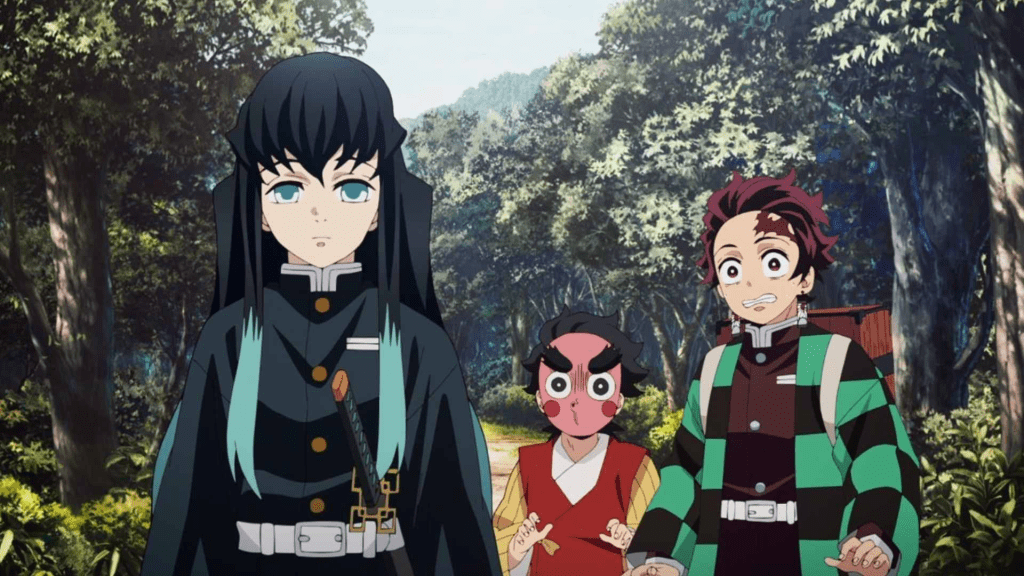
Demon Slayer has never been a well written show. The main characters range from unoriginal (Tanjiro) to incredibly offensive (Zenitsu). Tanjiro’s character solely consists of him being a nice guy who wants to become stronger to protect his sister. There is nothing else to him. No flaws. Nothing. It’s like the author strove to create the most generic Shonen main character with no depth so that no one would be offended. Zenitsu’s shtick is he’s really scared, has a thing for Tanjiro’s sister and becomes powerful when he falls asleep.
The overall plot also barely makes sense. Like, what is the point of the guy that runs the Demon Slayer Corps., Kagaya Ubuyashiki. I never understood why he exists. But, people like this show because of the incredibly animated fight scenes from the first two seasons. And to be honest, I enjoyed watching those seasons. You can turn your brain off and just watch well animated fights.
However, the author, during the Swordsmith Village arc, took an even further step down in writing. I can’t tell if he’s trying to insult the medium or what’s going on. I had higher hopes for the season because Zenitsu isn’t in it (I actively want to through my remote at the screen any time he’s on). However, this season sucks. There is no discernable plot here. Tanjiro needs to go to this hidden swordsmith village to get his sword fixed. He gets there. Then, the bad guys come attack. That’s it. Beyond that, the new characters are also awful. They introduce a Hashira named Mitsuri Kanroji, who’s main thing is she has big boobs and joined the Demon Slayer Corps. to find a husband. I’m not sure if this author hates women or just never interacted with one. The animation also took a step down this season. They lean way too heavy on the CGI and it’s distracting while watching the fights.
I have no idea how this show is so popular, given all of the above.

 Coc0na's Pure Illusion