
Reflecting on this year, one thing that stands out to me is that it was a “down year” in reading for me. I read fewer books than I did last year, and I don’t think any of the books I’ve read this year top some of my favorites from last year, like Jonathan Strange and Mr. Norrell, Good Material, Trust, and Never Let Me Go. I spent a lot of time this year reading the Wolf Hall Trilogy and Solenoid, long and dense books that made me feel stuck in the mud sometimes. It was a good reminder that there are some “on” and “off” years for reading.
Another item I wanted to highlight is that my first video game has made the year end list! While it’s buried in the middle of the list, getting a Switch 2 and finishing Donkey Kong Bananza reinvigorated my love for video games. Expect a lot more for the Best of 2026 list.
Lastly, on the movie and television front, it was a mixed year. Some of the best things I watched were from previous years (which still count for this, by the way).
Tier One: A Masterpiece (9.5 – 10 / 10)
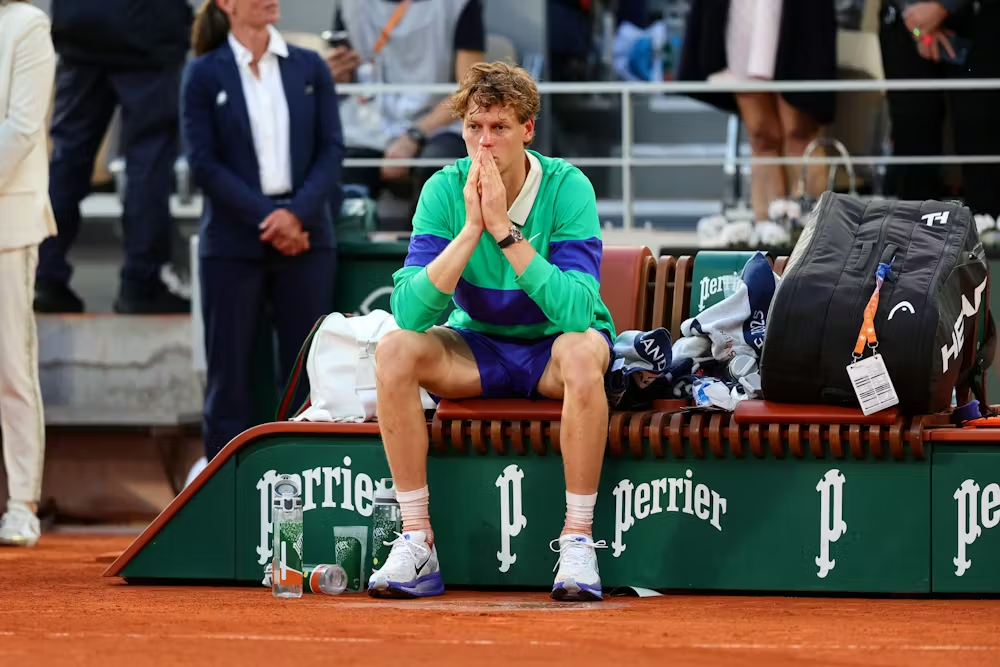
1. 2025 French Open Men’s Singles Final (Sports)
I remember watching Roger Federer vs. Rafael Nadal at the 2008 Wimbledon final. I was 13 years old, and my family was traveling up north in Minnesota to our cabin for the weekend. We stopped at a sports bar to pick up some food, and I remember all of the televisions were tuned into that match. Everyone was transfixed, watching two players with opposing styles elevate their games to new heights as they tried to take the other down.
The French Open final this year between Alcaraz and Sinner was in a completely different context. Me, age 29, sitting in my apartment with Tiernan, felt like that 13 year old again watching this match. Fresh off winning the Australian and US open the year before, it really seemed as though Sinner had “figured out” tennis. The level he was playing at reminded me of Djokovic in 2011, someone who was previously always the bridesmaid but never the bride and then, seeimgly out of nowhere, took his game to the next level.
Sinner came in with a well though-out strategy and employed it to perfection during the first two sets. His plan was simple. Keep attacking. For Sinner’s returns, he camped near the wall, but beyond that, he was all over the baseline, hitting balls on the rise and pounding them deep into the opposing backcourt. He didn’t want to give Alcaraz time to hit heavy topspin forehands, which, in turn, would allow Alcaraz to use his drop shot, a deadly combination on clay courts.
By the third set, Alcaraz started getting a hang of Sinner’s plan and won the set fairly easily. In the fourth set, watching Alcaraz at the brink, down 3-5 0-40, and fearlessly come back and win the set was one of the coolest things I’ve seen in sports.
This year, I played more tennis than I did in the last decade combined. From early mornings on the West Side Highway with Ferranti, organizing group hits with Tess, Tiernan and Mel at Roosevelt Island, I was reminded how fun and frustrating playing this sport can be.
Watching this French Open final this year also reminded me how beautiful this sport can be.
2. The Line of Beauty (Book)
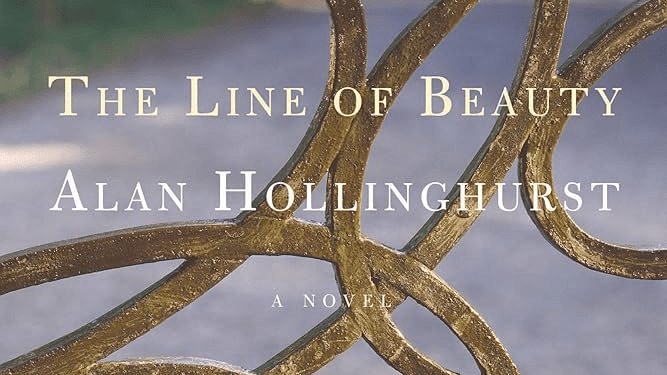
If I had to choose one book to compete against the best of what I read last year, it would probably be Alan Hollinghurst’s “The Line of Beauty.” Set in the UK, during the 1980s, it tells the story of Nick Guest, who lives as a guest (yes, same as the last name) in the house of a rich, conservative family. Nick is gay and through the story, we learn about how he tries to blend in with both the family and the London elite while discovering his own sexual identity.
Nick is an outsider, a guest living in someone’s house. Hollinghurst does an amazing job making the reader feel as though they are Nick. In the first part of the book, Nick attends one of his rich friend’s birthday parties. In a drunk haze, he moves from room to room, unsuccessfully trying to latch onto people and conversations. The only real connection he seems to make is with a waiter. The experience Hollinghurst creates feels so familiar. The deep, universal desire that we all have to fit in.
There are so many scenes in this book that still sit with me, and I think Hollginhurst’s real strength is his ability to convey so many feelings and ideas into both loud and quiet scenes.
Loud scenes I loved:
Nick’s dance with Margaret Thatcher
Gerald and Nick’s confrontation at the end of the novel in the Fedden’s office
Quiet scenes I loved:
Nick meeting Leo’s mother and sister
Nick’s final moment with Wani, who we now know has HIV
3. Bring Up the Bodies (Book)
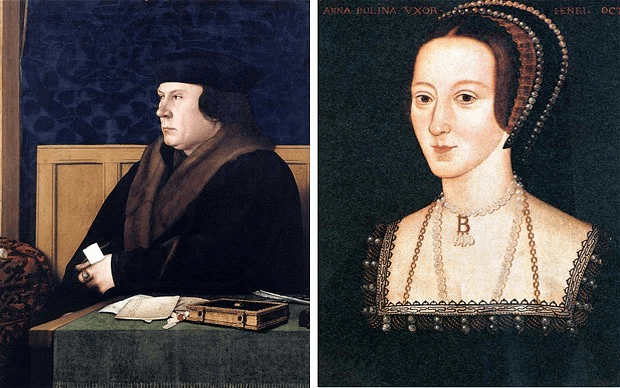
This book was my favorite from the Wolf Hall trilogy. The way I’d describe the trilogy is take the good part of Game of Thrones and get rid of all the high- and low-fantasy elements. Basically, it’s the intrigue of King’s Landing.
I’m putting this book well above the other two in the trilogy for a few reasons. I’ll get into it more when I talk about the other two books, but I think Bring Up the Bodies does the best job at giving us Cromwell’s perspective, while still having a tightly-paced narrative.
One thing that really shines in this book, and really the whole trilogy, is how sympathetic the author, Hilary Mantel, is to Cromwell and his efforts to bring Protestantism to England. This book is infused with an ideology. You may agree or disagree with it, but it’s nice to see a piece of art aggressively put its hand on the table and state its views. What is that ideology? The Catholic Church had a parasitic, abusive relationship with England. Thomas Cromwell’s work, while shrewd and sometimes cruel, helped England break free from the Church, modernize the country and lay the groundwork for the best portion of Henry VIII’s reign.
Getting back to the book itself, we get to see Cromwell at the height of his power. Anne Boleyn and some of the noble men in King Henry VIII’s Privy Chamber hamper Cromwell and his agenda. Finally, he sees an opening to take them down and does it masterfully. One of the most satisfying scenes I read this year is when he sits down with the four men accused of sleeping with the Queen, and one by one, they grovel, beg and lash out at him.
This isn’t the rise (Wolf Hall) or the fall (The Mirror and the Light) of Thomas Cromwell. This is him at the peak of his influence, changing the shape of England for years to come.
4. Anora (Movie)
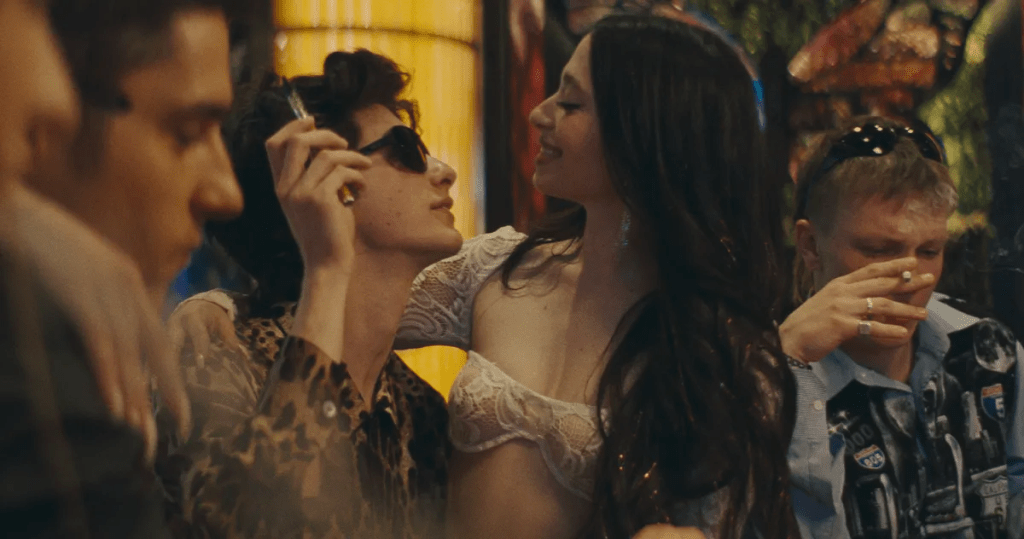
This movie really had it all. Great acting in particular from Mikey Madison and Yura Borisov. Their last scene together, where she cries in his arms, is one of the best things I’ve watched in a while, but their chemistry, right from the start, is amazing. Igor’s quiet, awkward softness bounces off of Ani’s personality. Madison does a great job of conveying so many different things with her character. She’s both supremely confident and entirely unsure of herself. The performative element of being a stripper serves as a mask for her, which Igor’s genuine kindness slowly breaks down.
The cinematography was also great. The scenes at the strip club, running around Brooklyn, sitting together awkwardly on the private jet were colorful and fun to look at.
But for me, the best part is that the movie had a perfect pace to it. So often with movies nowadays, they seem to be three hours + in length and just drag for me. Maybe my brain is just cooked from YouTube and Instagram, but I think that directors need to do a better job keeping the viewer engaged if they’re going to make movies this long. That’s not to say that we can’t have slow-burning scenes where we develop characters, but I think there’s a balance to everything. Anora is greatly helped by the fact that it’s an incredibly funny movie. It doesn’t take itself too seriously, yet at the same time, it treats its characters and themes with so much love and respect. One of the best movies I’ve seen in a while.
5. The Bee Sting (Book)
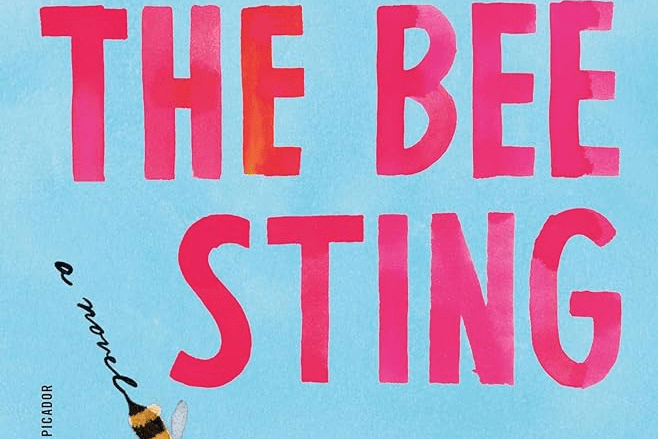
This was probably the most fun book I read this year. It tells the story of the Barnes family, an Irish family that was once very wealthy, but faces financial stress after the 2008 recession. The novel is divided into four parts, each telling the perspective from one member of the family. Similar to the book Trust, each section of the book adds both another perspective and incremental detail to the story, slowly fleshing out the world the Barnes family lives in.
I loved the first section of the book, which focused on Cass, the older daughter of the family. Her relationship with Elaine reminded of the teenage friendship between Kathy and Ruth in Never Let Me Go. Cass’ need to constantly impress Elaine, while shirking her own family, felt relatable.
However, in my opinion, Imelda, the wife’s story, was by far the best. Her section of the book is told in rapid, stream of consciousness-like format, without any punctuation. Imelda grew up poor and without a formal education, contrasting her with the rest of the family. When we first see her from Cass’ perspective, she comes off as dumb and vain, but when we get her story, we grow to appreciate Imelda and her desires.
The Bee Sting is funny, heart breaking and thoughtful. The one thing I’m not sure I’m completely sold on is whether Dickie, the father, deserves to have redemption. For the rest of the family, I see it, but I’m not sure about him.
6. Anatomy of a Fall (Movie)
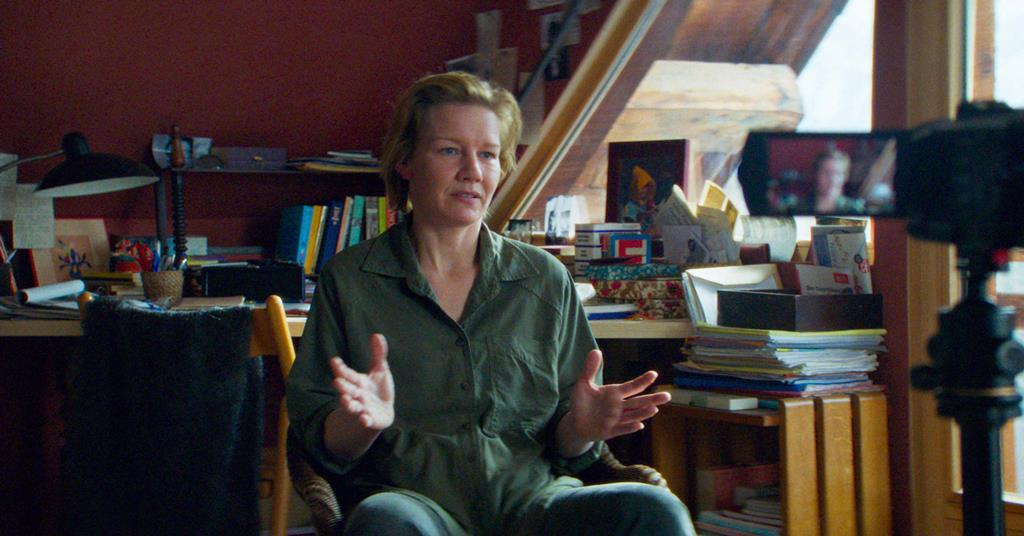
The movie fucking rocked.
The opening scene, with the loud music creating an overwhelming feeling of claustrophobia, is one of the best I’ve seen in a while. Sandra Huller’s performance was both extremely feeling and incredibly cold, which I think worked perfectly for the character she was playing.
The movie hooks you right at the beginning, with the murder of the husband and us quickly trying to piece together if the wife, played by Huller, really did kill him. We stare at her, looking for signs or a clue from her face that might reveal the truth. But the brilliant thing about this movie is that as we move further into the film, the “who-done-it?” nature of the film quickly becomes irrelevant. This is a movie about too flawed people in an unhappy marriage.
The cinematography, as you would expect, is also excellent. Could not recommend this movie enough.
Tier Two: It Could be in the Tier Above. It’s Really Good! (8.5 – 9.5)
7. Severance Season 2 (Television)
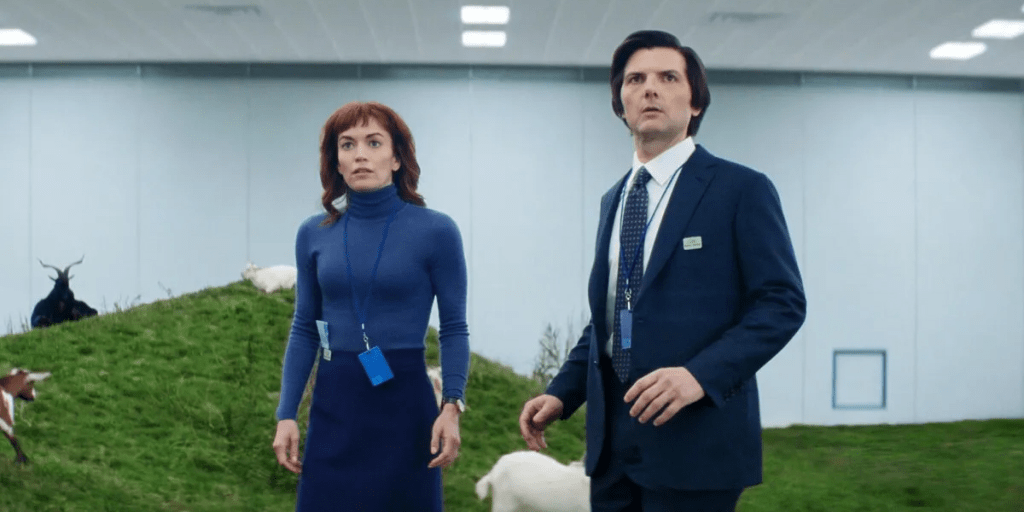
This was an incredibly fun season of television to watch. I think I’ve mentioned this in the past, but part of my problem with “prestige-drama” American television is that even the good ones just drag. 10 one-hour long episodes are a lot, but this show managed to strike a really good balance of having a driving plot, along with small, quiet moments that continued to build out the characters.
For me, the standout episode was number 7, Chikhai Bardo. It’s a flashback episode showing how Mark and Gemma met. The camera work is loose, dynamic and reveals so much about the two characters.
Each of the four main characters, Mark, Helly, Dylan and Irving, have their own sub plots in this season, which I really appreciated. None of them feel like props within the larger story. They’re each used to explore the consequences of the severance experiment. Dylan’s conversations with his wife inside of Lumon are some of my favorite scenes in the show.
I’m not sure how I feel about the show’s cliff hanger, with Mark choosing to stay inside of Lumon with Helly. I almost feel like this could have been a two season, and I’m really hoping they don’t go beyond three seasons. We’ll see though. Regardless, I’m interested for what’s to come.
8. A Visit From the Goon Squad (Book)
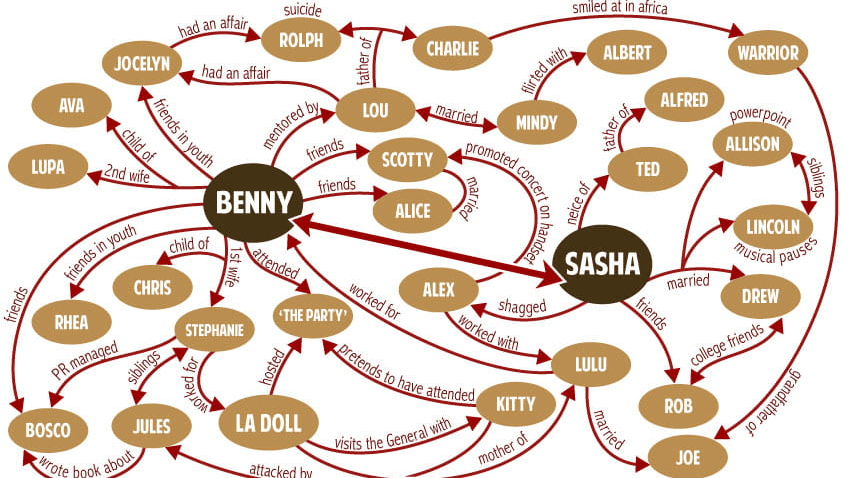
I do love me a set of interconnected short stories. I was really close in putting this in the tier above, but I think my issue was that not all of the stories “hit.”
The first story, Found Objects, which introduces us to Sasha is a great way to start off the book. It feels authentically New York City. A lot of the book is set in New York, and this story gives a good perspective of what it’s like living in the city, dating in your late 20’s or early 30’s.
What I find interesting about the book is that it’s fifteen years old, while also squarely being post-modern, contemporary fiction (I’m honestly not sure what that even means, but whatever). There are some stories, like Sasha’s daughter describing her family’s life in the future, which is told in a PowerPoint format. Back in 2010, it may have felt more daring, but in our year 2025, with AI slop and doomscrolling, it didn’t feel that interesting. On the other hand, the last story, Pure Language, which is set 15 years in the future, totally nails the times we’re living in. Children pay with these iPad-like toys, while our main character needs to pay people to fake fandom for a new musical artist.
I’m interested in checking out Jennifer Egan’s sequel to the novel, The Candy House. It’d be interesting to see how the author reflects on how much the world has changed since she wrote her first book.
9. Drive Your Plow Over the Bones of the Dead (Book)
Janina Duszejko is probably my favorite character of the year. She’s an old woman who lives alone in the rural countryside of Poland. At the start of the novel, she learns that one of her neighbors was recently found dead. This sets off a mystery, who-done-it narrative, where the police search for a killer in the village. Janina, a person who obsesses with astrology and William Blake’s poetry, continues to insist that animals killed the neighbor in some form of retribution, as he was a hunter.
Janina is a cooky old woman, but the book treats her, her perspective and deep love of animals with the utmost respect. There is definitely something odd about her, but the book forces us to question, who really is the odd one here? The men killing animal for sport or this woman, who’s trying her best to protect them? Along the way, we met Janina’s friends, including Boris, Dizzy and Oddball. They’re all sweet people who help add texture and differing perspective to the narrative.
The mystery-element gives the story a natural momentum, without detracting from the characters and their perspective.
10. Donkey Kong Bananza (Video Game)
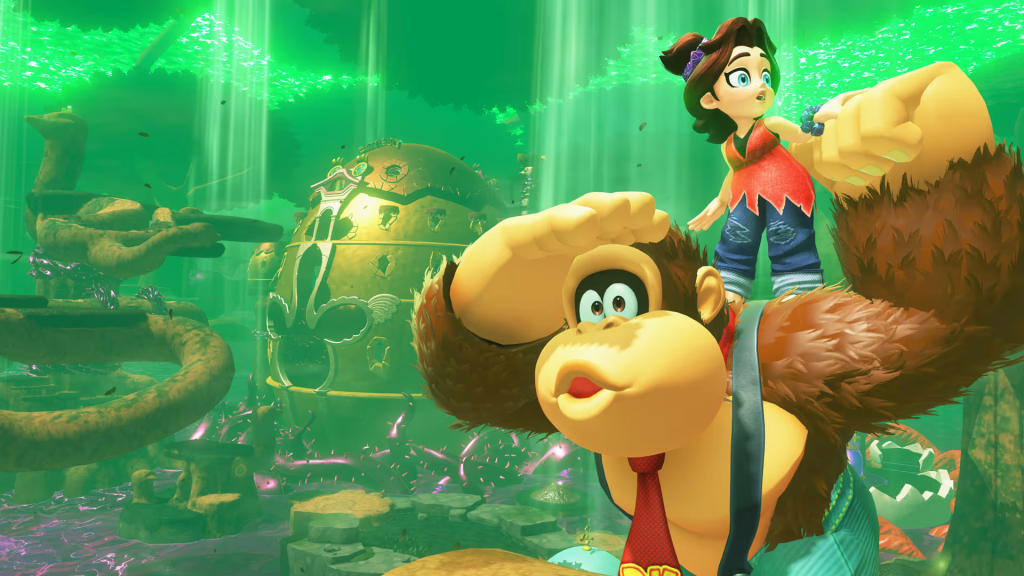
This game was such a joy to play. It was the first game on the Nintendo Switch 2, and Issy and I played it together. I was intent on us actually finishing the game, as I’ve had this problem, since I’ve been an adult, of starting video games and not finishing them.
We had so much fun playing this game. The plot is whatever, but what really makes this such a joy to play is the various worlds and how you, Donkey Kong, interact with them. As the game progresses, you learn new mechanics that keep stacking on top of one another. By the time you’re in the Resort Layer, you’ll be using rainbow blocks to jump in the air.
I think my favorite layers were the Resort Layer, Forest Layer, Radiance Layer and Tempest Layer.
My issue is the power-ups you gain (gorilla, zebra, ostrich, elephant and snake) aren’t well integrated with how you interact with the worlds. You’ll learn an ability and then need to use it immediately in the level you’re in, which is fine, but once you go to a new level, I don’t think they do a good job of designing those worlds to interact with your new abilities.
My other big issue, and this is probably just going to be the case with all of these types of games, is that the bosses are pretty easy and uninteresting. This includes the final boss, K. Rool, where I was just spamming elephant in a fight that really dragged.
In the end, I think the good parts of this game were amazing and heavily outweighed the bad, which is why I put this up so high, but I don’t think this is a perfect game.
Tier Three: It’s Good But I Do Have Some Complaints (7.5 – 8.5)
11. White Teeth (Book)
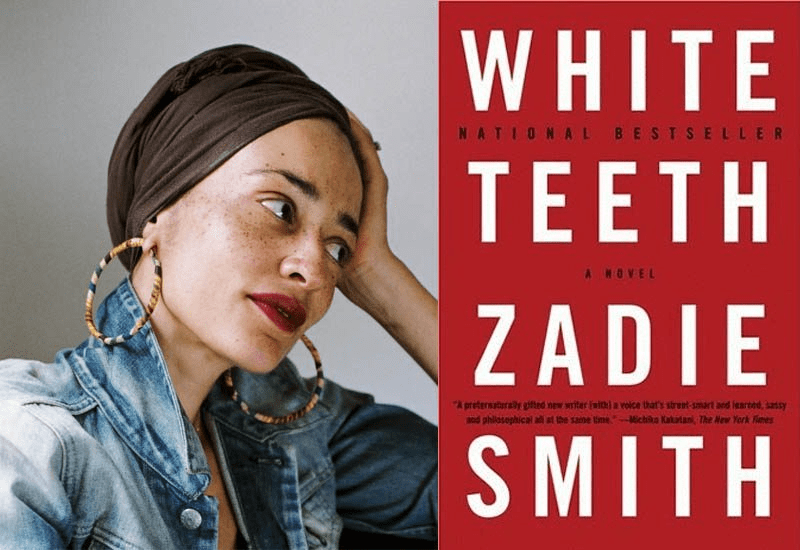
It’s been said a million times, but I can’t believe that Zadie Smith wrote this book when she was 25. There’s so much to chew on with this book, and 25 years later, the themes related to immigrants, feeling like an outsider and trying to make a home in new place still feel very topical.
When I read this book, I could feel Smith putting all of herself into the novel. It’s funny, educational and tragic, all at the same time. I enjoyed how the story spanned multiple generations and had the confidence to randomly dip into the past, teaching us about Jamaica during the 1920’s or the Eastern European front during WWII. Some of my favorite things / parts of the novel include Joshua and his whole family, Archie and Samad’s relationship and Irie’s relationship with her grandmother.
However, I think my issue with this book is that it’s a bit too ambitious. There are so many characters, which makes this book fun, but I never feel that I got to know any of the characters, besides Irie, which makes sense, as I figure she’s a stand in for Zadie. For example, it feels like Alsana, Archie and Clara have no real roll after the first 15% of the book, which just feels odd. Magid’s character, after he comes back from Bangladesh, never really made sense to me.
All in all, really good book that I had a lot of fun reading, but I do feel like Zadie short changed some of the characters here. I think you either make this novel a lot longer or you cut out some of the cast.
12. One Battle After Another (Movie)
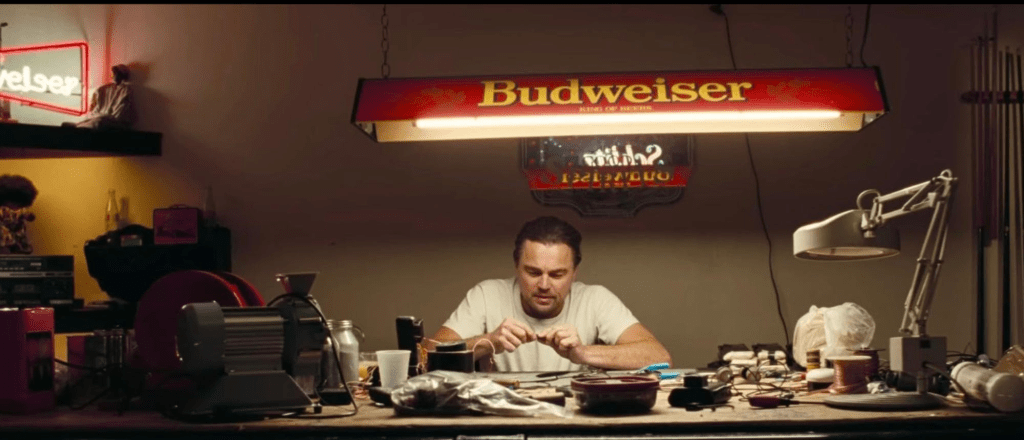
I had a lot of fun watching this movie, but I definitely don’t think it’s as great as some people are making it out to be. In terms of Paul Thomas Anderson movies, I still enjoyed Boogie Nights and The Master a lot more than this one.
The cinematography was really good, but it wasn’t close to what we saw with There Will Be Blood. The acting was great, but compared to Daniel Day Lewis in There Will Be Blood, Joaquin Phoenix in the Master or Phillip Seymour Hoffman in the Master, nothing here comes close. I will say, the music, which is always on point in PTA’s films, is really on point in this movie.
That just leaves the plot, which I feel like has momentum and a message to it. The movie’s long, but doesn’t feel like a slog. However, and maybe it’s just me, but the plot felt a bit all over the place. I’m guessing that’s a result of this being a Thomas Pynchon novel that PTA decided to adapt into a film. From that perspective, I think he did a much better job turning this into a legible movie when compared to Inherent Vice.
Getting back to the positives, one thing I want to highlight is Leo DiCaprio’s performance. His physical comedic acting has always been awesome since the Wolf of Wall Street, but I think he does an amazing job here basically playing the Dude from The Big Lebowski.
13. Headshot (Book)
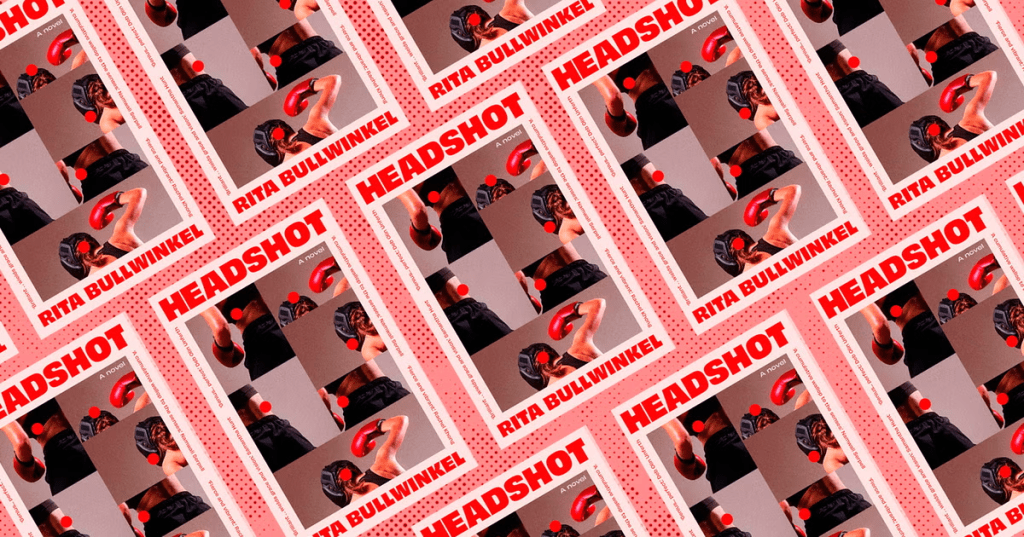
I’m tempted to put this book a bit higher on the list. Like Foster, which is slightly lower, I really have no complaints about Headshot. It’s a really good short novel that tells the story of eight teenager girls competing in a national boxing championship in Nevada. The story is told over two days, and each story tells a different character’s perspective, as we slowly get closer to the final.
I think the author, Rita Bullwinkel, did an amazing job treating each character with dignity, fleshing out each of their worlds over the course of their matches. I also think she perfectly captured the feeling of being in sporting competition as a teenager. The pressure you put on yourself, the pressure that others put on you, the opponent on the other side of the ring and the opponent within yourself. All of these forces spin in the teenager girls’ heads in different ways, making them all feel human and relatable over the course of each match.
Beyond that, I think that the author did a good job actually describing the actual back-and-forth of the matches themselves. It’s a really great book. I think the only reason why I’m putting it this low is that the book is so short, but maybe that’s just a blind spot in how I review books to ding something for that. There’s nothing wrong with a book being short and tight. Something to think about for next year.
14. Choujin X Volume 1 – 4 (Book)
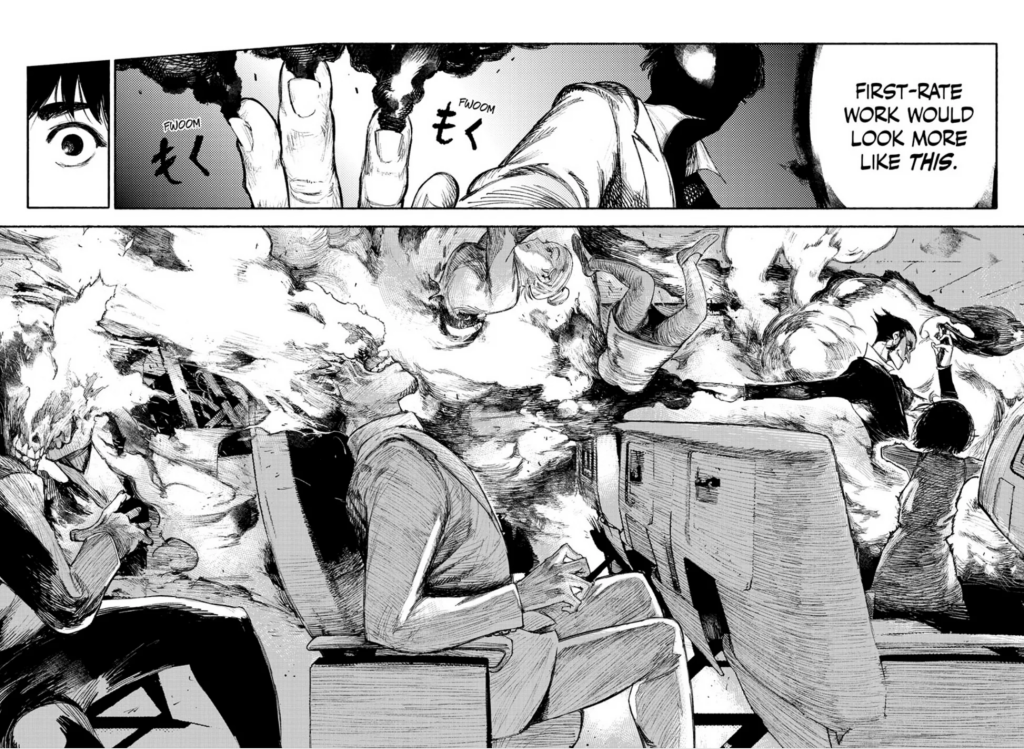
This was the only manga that I read in 2025, and I’m going to try to read more next year. I’ve only read the first four volumes, but it’s been very good so far.
Choujin X tells the story of two kids, Azuma and Tokio, that gain supernatural abilities, making them Choujin. The story is about their adventures as they try to understand their power and deal with the dangers of being a Choujin.
So far, the story’s been pretty straightforward, which is why it’s sitting in the middle of my ranking for the year. The artwork is amazing and incredibly confident. The mangaka, Sui Ishida, wrote a well known series before this called Tokyo Ghoul. You can tell when reading that it isn’t his first rodeo. It’s quite frankly some of the best artwork I’ve seen in a while.
The characters haven’t had a ton of time to develop yet and some of them do feel a bit “standard shounen-y”, but they’re definitely not the typical My Hero Academia / Demon Slayer super cookie cutter type either. It’s only been four volumes, and by the time I review the next 10 volumes, I feel pretty confident that the characters will become a lot more fleshed out.
I’m excited to keep reading this one.
15. Sinners
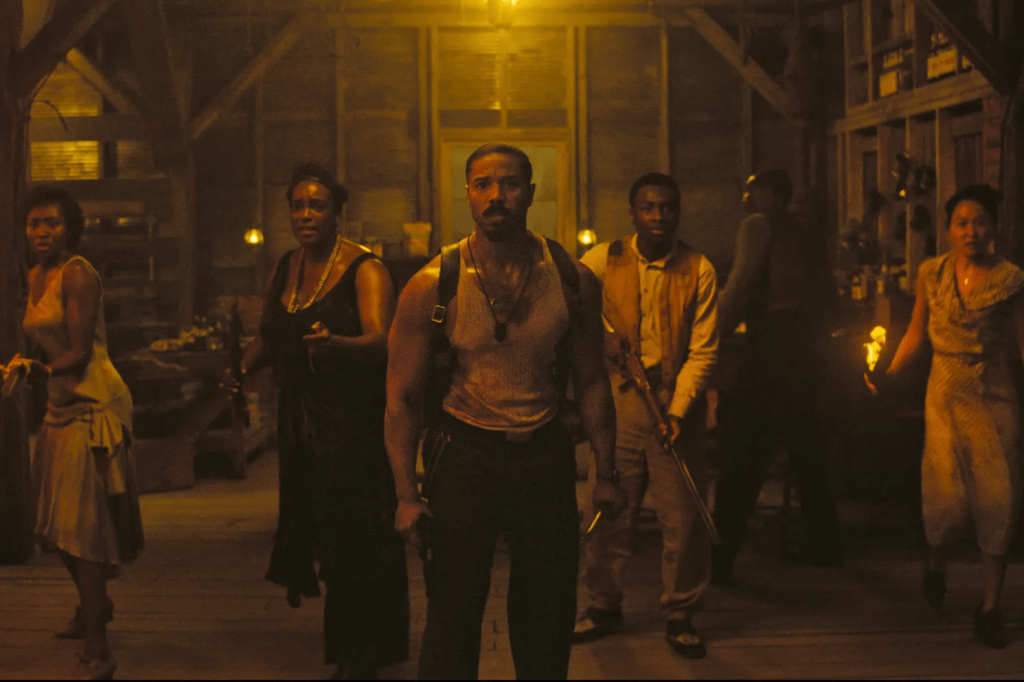
I think this was an incredibly fun movie to watch in the theaters this year. I loved the cinematography. For some reason, and this may come off weird, but I feel like the Antebellum South, despite all the horror that took place then, comes off beautifully when captured on film. The cotton, the white oak trees and the wooden churches all look beautiful in this film.
The first half of this movie is a lot of fun. It’s basically Michael B. Jordan, playing two roles, trying to set up a juke joint in an old sawmill. It’s great watching them bounce around town trying to get everything they need for the first party at the juke joint.
I think the acting is pretty great, all around. No one really steals the show, but there are no weak links. There’s a really fun scene in the middle of the movie, where we get this lucid celebration of black music throughout different eras. It’s fantastic, and I can’t do the scene justice by trying to describe here in words.
Lastly, I think the vampire, horror elements were on point. I think Ryan Coogler struck the perfect balance between true horror and pulpy camp during the last portion of the movie, making the whole ending fun, griping and a bit scary.
16. A Confederacy of Dunces (Book)
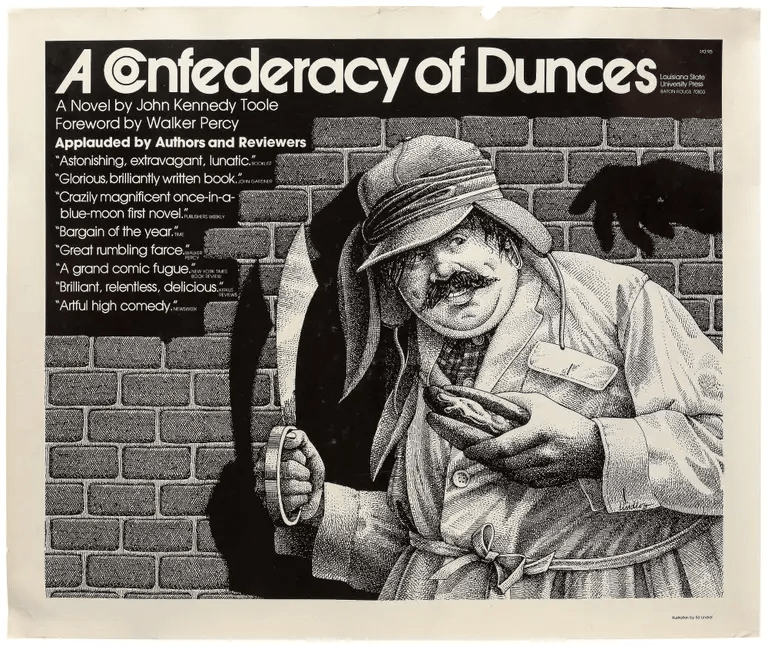
Definitely the funniest book I read this year. Adam recommended me this book, and I’m really glad I read it. A Confederacy of Dunces is set in the French Quarters of New Orleans in the 1960’s, where Ignatius J. Reilly, who’s basically a red-pilled incel of that time, gets into various hijinks and misadventures with a colorful cast of characters.
Ignatius works a variety of odd jobs to help support his mother, including at a pants factory and hot dog stand. At the pants factory, he tries to incite the black workers to violently demonstrate for better wages. While working at the hot dog stand, he’s forced to wear a pirates outfit to attract tourists.
I was skeptical of this book coming in, as I find that comedy, in novels, can often land flat. With this book also being published in 1980, I was worried that some of the humor would seem dated. To my surprise, that was not the case with this book. Ignatius is a genuinely hilarious character, who, I think, actually captures some of the feelings discussed in the current “male loneliness epidemic,” or whatever you want to call it.
If you’re looking for a comedic novel that has serious writing chops, I’d highly recommend reading this book.
17. Wolf Hall (Book)
It’s a bit weird this book is called Wolf Hall when they don’t even go to Wolf Hall in this first novel. Regardless, I did really like this book. I don’t have it ranked as high as Bring Up the Bodies for a few reasons. The first is that I think Hilary Mantel’s weird second person perspective-style of writing is a bit awkward in this book, at least at the beginning. Maybe it was just me having to get used to her style, but I found it really hard to keep track of which person she was referring to. By the second half of the book and onward it got better, but it makes getting into this novel a bit of a slug.
The other thing I didn’t really care for were all the passages about Cromwell’s wife and daughters. It sounds a bit cold of me, but I think that the best part of this series is how Mantel spotlight’s Cromwell’s maneuvering within the Tudor complex social and political system. I get that Mantel is trying to humanize Cromwell, but I just found the passages with his family to be rather uninteresting.
One of the highlights in the book is when Cromwell first meets King Henry VIII. We’ve heard so much about him at this point, and when Cromwell comes face to face with him, you can feel the energy in the room. It’s like you’re confronting the lion yourself.
The book ending with Thomas More’s downfall was fine, but it doesn’t really hold a candle to the end of Book 2 and 3, where we see Anne Boleyn and Thomas Cromwell’s end, which both have much more dramatic flares to them.
18. Foster (Book)
I really don’t have too much to say about this novel. It’s well written, the characters feel textured and I really love the scene where the girl goes with her foster dad to the ocean at night. Maybe because it was so short, it just didn’t stick with me like I think it should’ve. It probably deserves a reread at some point.
If you want something short, exquisitely written and calm, I’d still recommend picking up this book and giving it a read.
19. Klara and the Sun
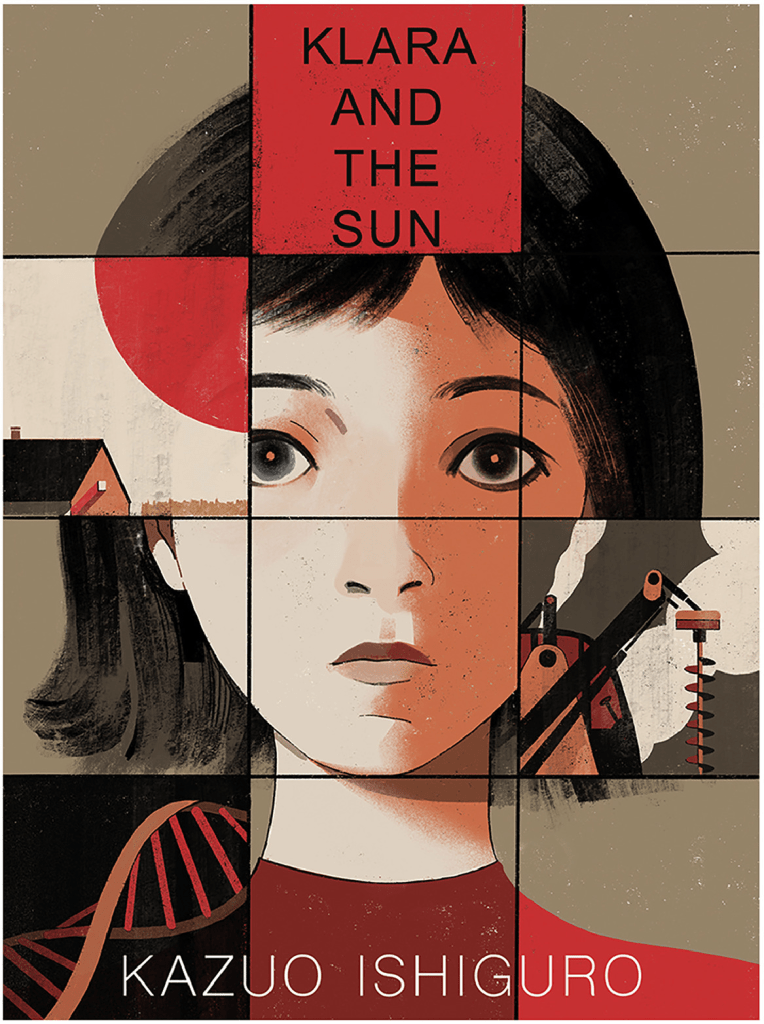
I was really excited to read this book, as I loved the other Kazuo Ishiguro book I read last year, Never Let Me Go. Klara and the Sun tells the story of Klara, an “artificial friend,” who’s designed to be a child’s companion. Think of it like an AI robot. She ends up becoming paired with a sick human girl named Josie, and the book focuses on Klara both trying to understand human emotion and help cure Josie of her sickness.
Like Never Let Me Go, this book is very precise with its language. The way Klara tries to understand human emotion is written is such a clear, calm voice. However, for me, there was just something missing about this book. I’m not quite sure what it was. Never Let Me Go has this great gothic element, which adds a really nice atmosphere to that story, and I just don’t think this novel had anything like that.
The ending of the book, which I won’t spoil, is quite sad, but I just don’t think this book reached the height of Never Let Me Go.
20. The Mirror and the Light
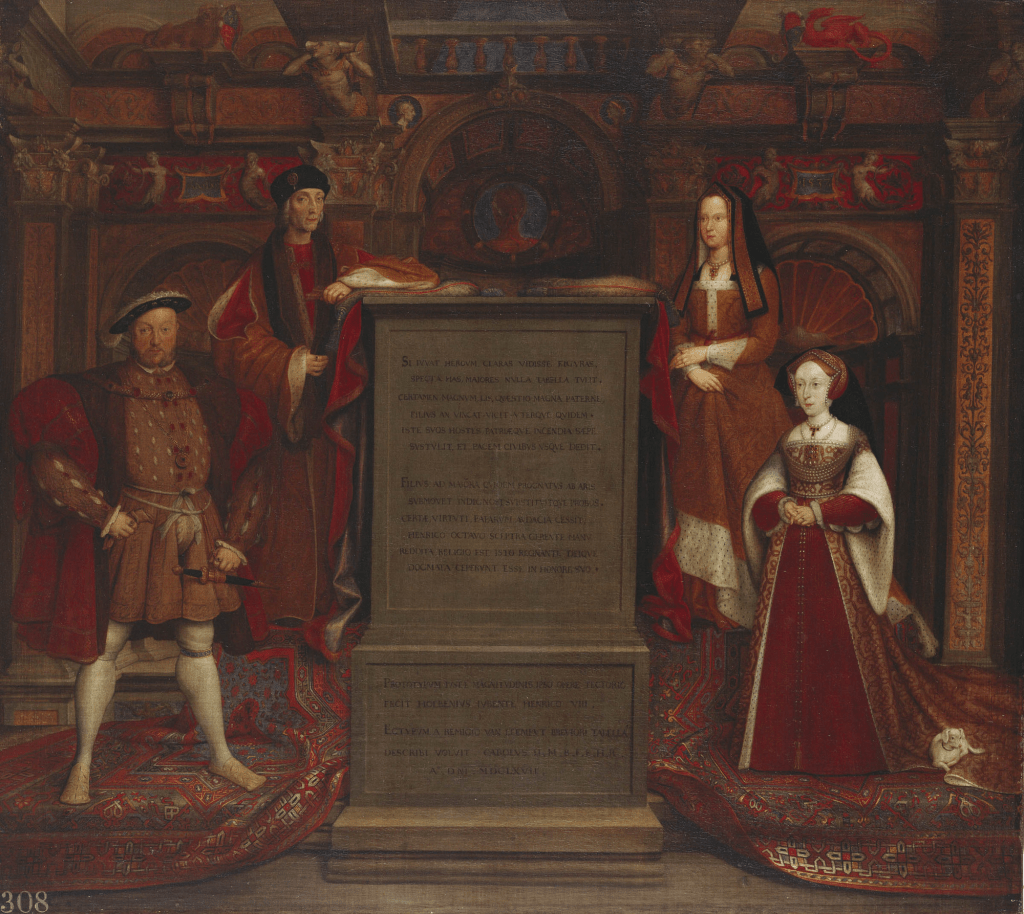
The third book of the Wolf Hall trilogy. So why is it the lowest? It’s a bit tough to answer. On one hand, the ending of the book, where we see Thomas Cromwell’s downfall, is almost painful to read (in a good way, if that makes sense). We see the seeds of disaster slowly sown. Cromwell is too smart not to see it, but he continues boxing himself into various corners. His understanding that he is slowly losing power makes the fall from grace all the more tragic. And the ending of the novel, when he’s executed – the snare of the executioners drums interrupting his heartbeat / the metal of the executioner’s equipment reminding Cromwell of his father’s boot hitting his head at the beginning of the first novel – is one of the best scenes I’ve ever read in a book.
So, again, why is it ranked so low? The novel is way too long. This really does not need to be over 700 pages. Did we really need a whole section on the trist between Henry VIII’s niece and Thomas Howard’s half brother, the bad poet, Tom Truth? I don’t think so. If Mantel got herself an editor that could or would axe about 200 pages, this could easily be one of the best things I’ve read all year. It’s a shame because the heights of this novel are really good.
21. James
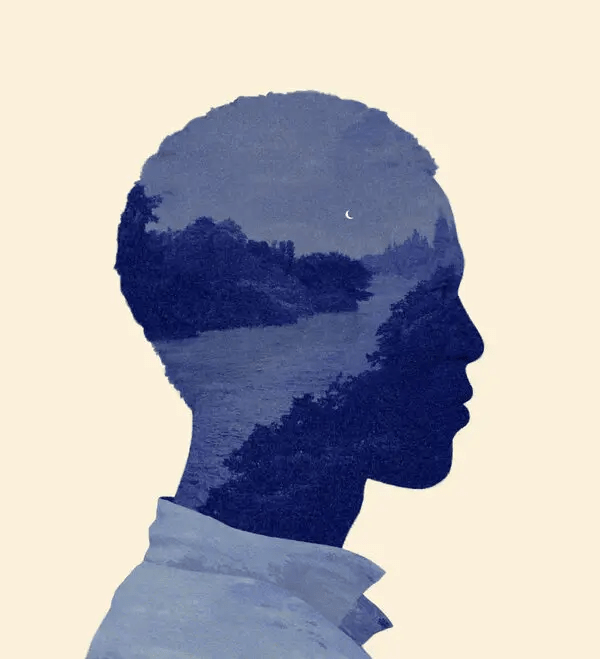
Getting back to the book itself, it has a solid plot that illuminates the South during this time period. We get to see a blackface singing troupe, steamboats along the Mississippi and many of the most morally depraved parts of slavery, like breeding plantations. The story zips along and is a joy to read.
I think my only big issue with the book itself is that the only character I really connected with was Jim himself, and even he felt somewhat distant. Huck Finn was just along for the ride, and the rest of the characters would pop up and then disappear as quickly as they came. I don’t think this is necessarily a problem for a book, but it did leave me feeling a bit cold by the end.
I think my big issue with James is that I should have read Huckleberry Finn first before reading this novel. I read online that some people felt that this novel can stand on its own, and to a certain extent, it does. However, I think a lot of what I hear makes Percival Everett great as a novelist is how he subverts preconceived notions with his masterful use of the English language. Basically, turning the character James into an incredibly intelligent, introspective character.
It’s interesting to see that at play in this novel, but I think reading the original would’ve made for a more fruitful experience.
22. Eurotrash
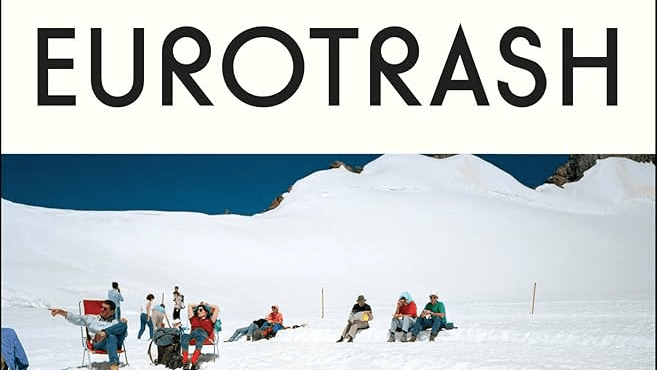
This is a rather short novel, where we follow a man and his older mother, as they go on a road trip through Switzerland, slowly giving away all their money. It’s a serviceable novel. The two main characters are interesting, and the plot keeps itself moving. However, I think my big issue about this book is that it relied a bit on humor to carry itself through some parts, and I just did not find the book that funny.
As I look back on this year, the reason why I have this ranked so low isn’t because there is some obvious flaw I found in the writing. It’s just that I don’t have much to say about it, and it didn’t really leave me with much.
Tier Four: Flawed Work That Had Some Good Parts (6 – 7.5)
23. Solenoid
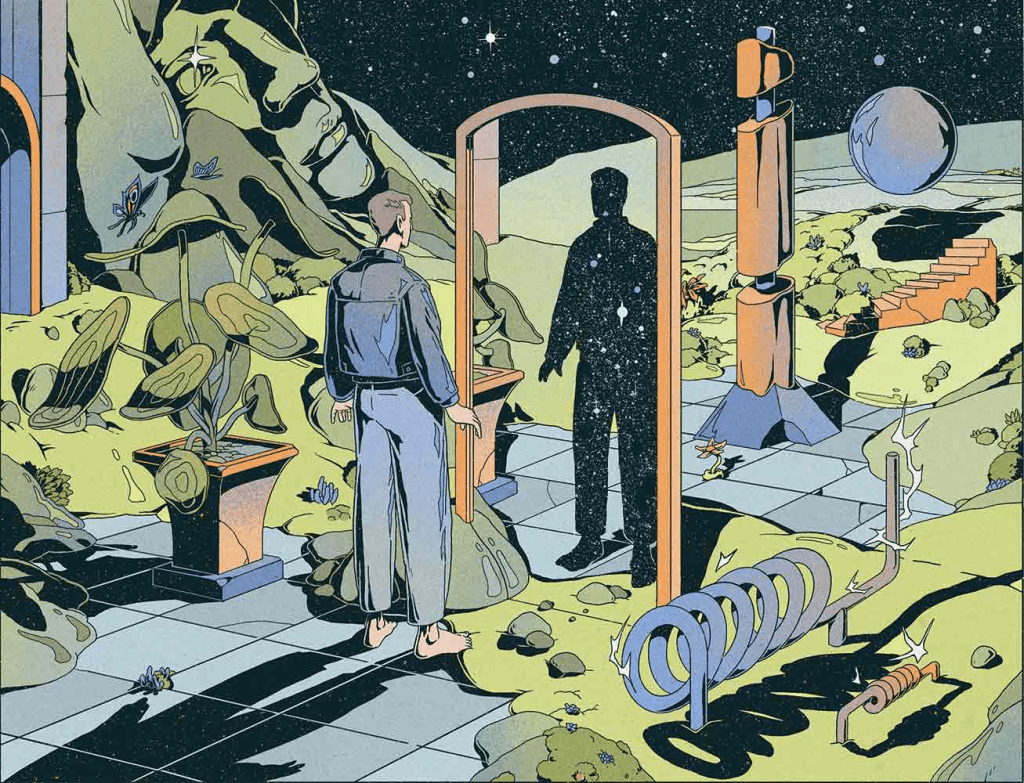
CONVERSELY, I have a lot to say about this novel by Mircea Cartarescu. It was somehow the best and worst book I read this year. Let me explain why.
This is a freaking long novel, almost 700 pages, where we follow a teacher in Romania who’s failed to become an author. He reflects on his life, and we are then treated to an absurd, surreal story, which includes the narrator transforming into a mite, a huge statue coming to life and squashing the leader of a cult, the narrator having sex in zero-gravity above his bed and the narrator finding a giant sleeping beneath an abandoned factory.
The book has the most memorable, fantastical scenes I’ve ever read or watched. They stretch your imagination and take you to another world.
However, I do think that this book really drags at certain parts. Allegedly, the author wrote this book in one draft and without any editing. I think that’s cool, and it does add an elemental of rough flow to the novel, but quite frankly, this book was a slog to read through at times. There were moments, particularly by the end, where I felt like the narrator had repeated the same thing – talking about his teeth – for maybe the fifth time. There’s definitely an artistic element to it, but it just didn’t work for me. It was really hard to get through some sections of this book, which is why I’ve ranked it here.
I do a really bad job of re reading books. As in, I don’t do it at all. There’s just so much out there that I haven’t read on my list. However, if there’s one book that I do think deserves a re read, besides Infinite Jest, it’s Solenoid. I can already tell that this is a book that would probably benefit from a re read, and who knows, maybe I’ll greatly change my opinion then.
24. Mickey 17
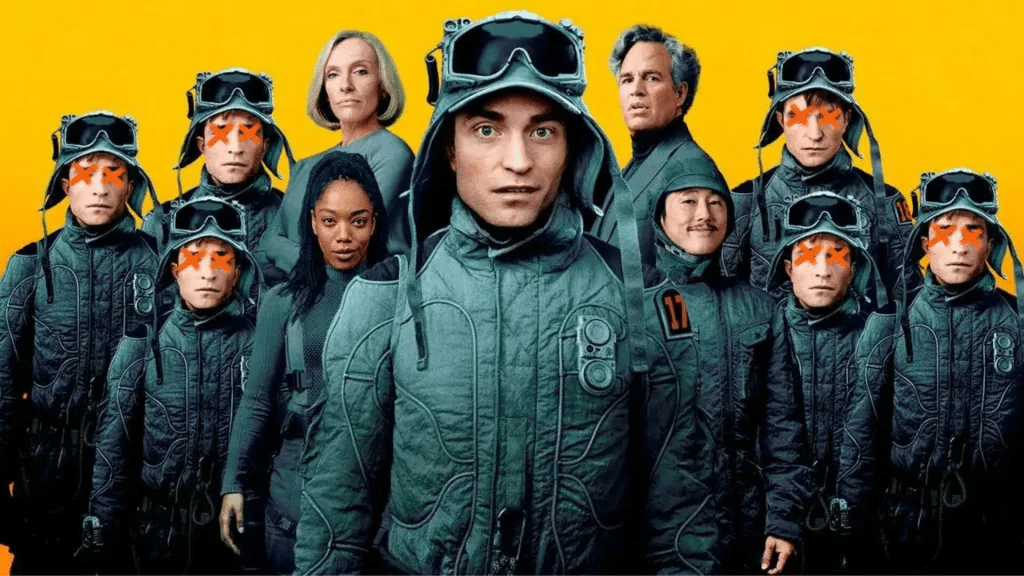
I had such high hopes for this movie. A sci fi black comedy directed by Bong Joon Ho, staring Robert Pattinson, Steven Yeun and Mark Ruffalo? That sounds like a match made in heaven.
Unfortunately, the plot for this movie feels a bit all over the place. I think my problem is that Bong Joon Ho is trying to do way too much with the story, and he ultimately fails to stick the landing. It just felt like the movie kept going on and on and on and on. By the time we reach the end, and the expedition team is negotiating with the alien race – the creepers – I was completely floored (and not in a good way). Did anyone in the editing room think that this movie was becoming nonsense? In my mind, there are the following plot threads:
- Robert Pattinson having multiple selves
- Robert Pattinson’s love story with Nasha
- Other Robert Pattinson’s love story with the Russian woman and the weird situation that creates
- Steven Yeun’s whole thing of being a POS
- Mark Ruffalo doing a Trump impression
- These aliens getting on the spaceship
- The double crossing from the security agents working against Mark Ruffalo
Realistically, they should’ve chosen 2-3 of those things and focused on those. The whole thing feels like a bit of a bloated mess because it’s almost like three movies jammed awkwardly into one story. Th
The only reason I don’t have it in the category below is because I like sci fi.
Tier Five: I Wouldn’t Spit on it if it Were on Fire (No Score. Doesn’t Deserve One)
25. Demon Slayer – The Movie: Infinity Castle
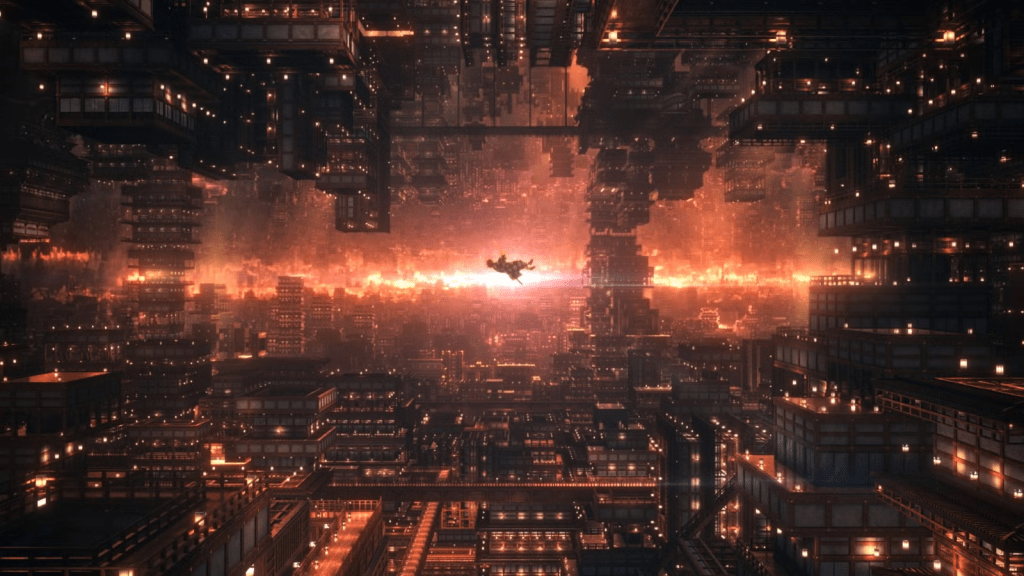
I don’t even know what to say about this one. It’s a bit unfair to rank it this low, given I fell asleep during the movie, but my god, this was way too long. The animation was beautiful, but there was no real coherent story here. The author seems to think that character development is giving a villian a 30 minute flashback right before they die, which, I’m sorry, just isn’t good storytelling.
Beyond that, if you’re going to do a movie solely focused on the battles, then at least make the fights themselves interesting. While they’re well drawn (ufotable really has mastered blending hand-drawn animation with 3D work), the fights themselves aren’t that interesting. There’s no real strategy involved. It’s just random attacks.
Another year, another bad Demon Slayer movie. I think it’s just such a shame that this is the type of anime that has received so much popularity here in the West.

 Coc0na's Pure Illusion